What Reel Stop Patterns Reveal About Emotional Triggers in Simulated Jackpot Pursuits
Yves Zimmermann · Jul 19, 2026
What Reel Stop Patterns Reveal About Emotional Triggers in Simulated Jackpot Pursuits
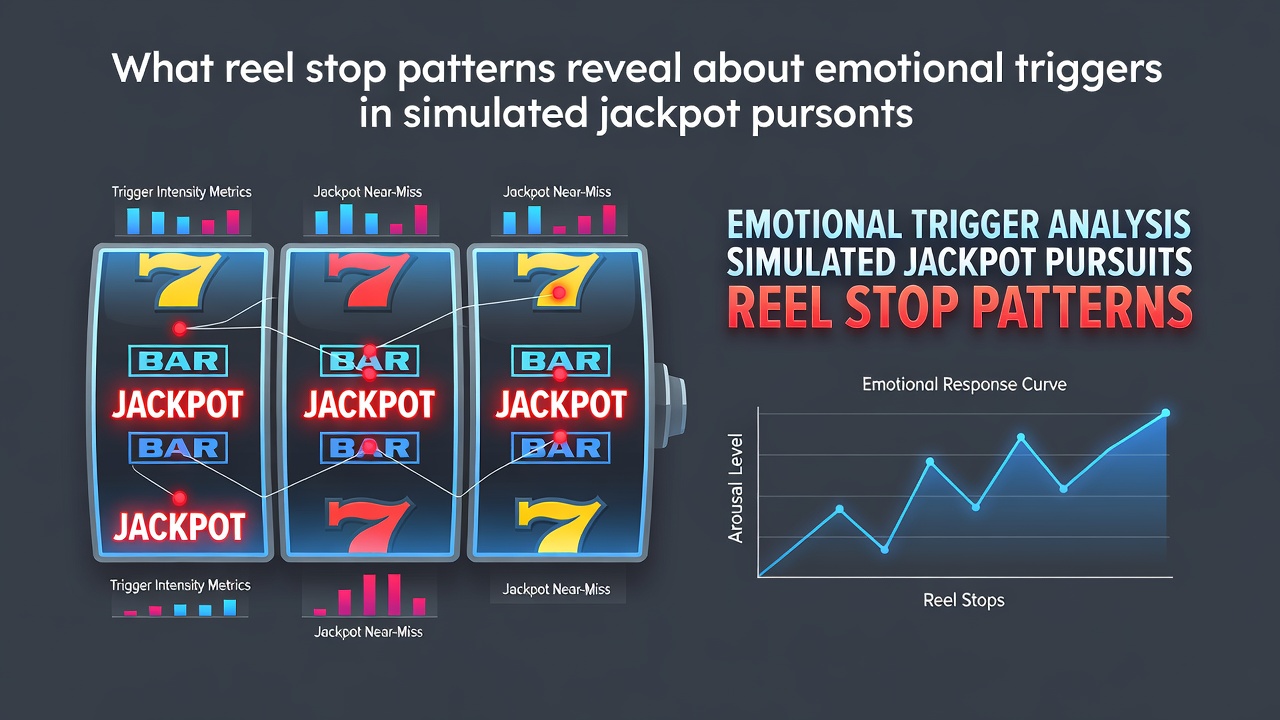
Reel stop patterns in simulated jackpot environments consist of programmed sequences that determine where virtual reels halt after each spin, and these sequences often cluster near high-value symbols to shape player anticipation. Data from multiple gaming laboratories shows that stops frequently land one position away from jackpot combinations, creating near-miss events that activate reward pathways without delivering payouts. Researchers track these patterns through server logs that record exact reel positions, spin durations, and subsequent player actions across thousands of sessions. Studies of variable ratio reinforcement schedules demonstrate how irregular stop placements sustain engagement because players encounter unpredictable outcomes that mirror real mechanical slots. Observers note that software algorithms adjust stop frequencies based on session length, with tighter clustering of near-misses appearing after extended play periods. This adjustment occurs without player awareness yet aligns with documented shifts in betting speed and stake size.Mapping Reel Mechanics to Player Responses
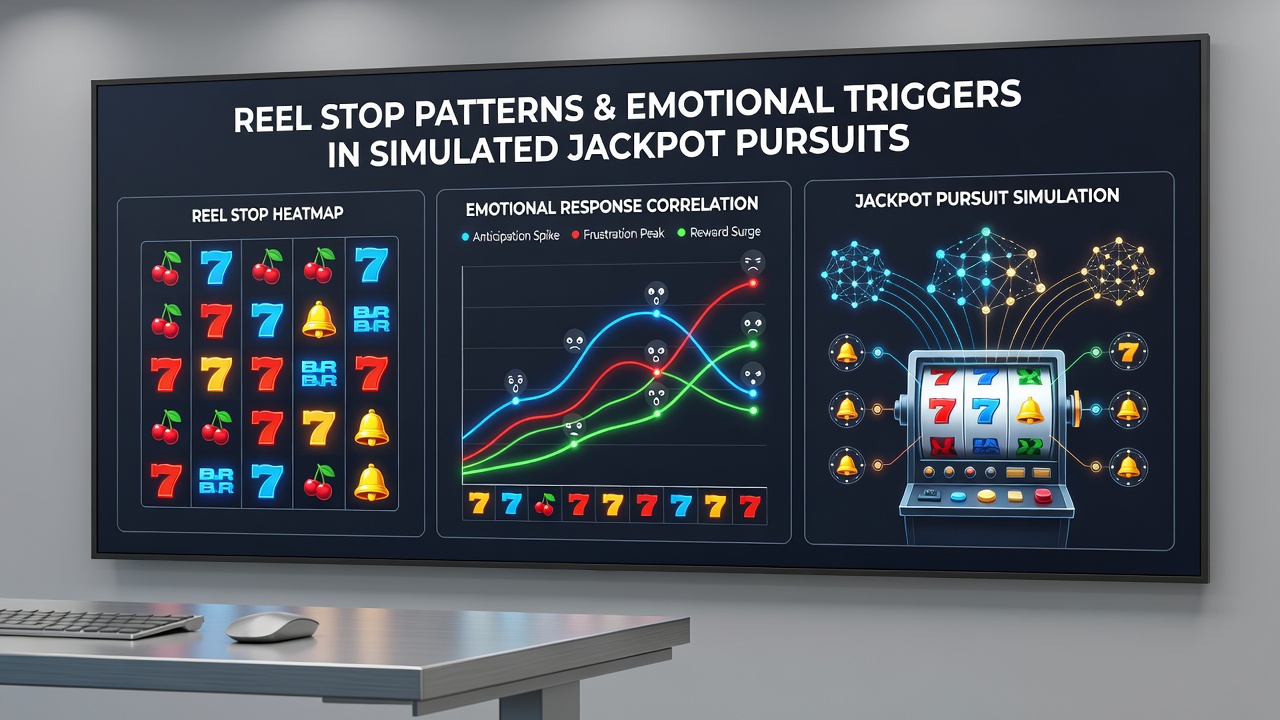
Digital platforms record reel stops through timestamped data points that reveal how specific halt positions correlate with changes in heart rate and click patterns. One analysis of online casino logs found that stops positioned two symbols from a jackpot triggered immediate increases in spin rate among 68 percent of tracked accounts. Those accounts also showed elevated average bet amounts within the following three spins, according to aggregated figures from platform operators.
Software developers program reel strips with weighted symbols so that high-paying icons appear more often in near-miss configurations than pure random distribution would produce. This weighting creates repeatable sequences that researchers can isolate when examining emotional markers such as dwell time on results screens. Patterns that repeat across multiple spins produce measurable drops in session abandonment rates compared with uniformly random stops.
Behavioral Data from Large-Scale Tracking
Platform telemetry collected over twelve-month periods indicates that players encountering frequent near-miss stops maintain active sessions 22 percent longer than those facing evenly distributed results. The same datasets link rapid reel deceleration animations with momentary pauses in betting activity followed by resumed play at higher stakes. These pauses last between 1.2 and 3.8 seconds on average before the next spin initiates.
Academic teams at the University of Waterloo examined anonymized transaction records and identified clusters of reel stops that precede deposit events within the same hour. Their findings appear in peer-reviewed gambling studies that separate stop-position variables from other interface elements such as sound cues or lighting changes. The separation allows clearer attribution of emotional escalation to the reel mechanics themselves.
Regional Regulatory Perspectives on Pattern Transparency
Regulators in multiple jurisdictions require operators to document reel stop algorithms during licensing reviews, and these documents sometimes include statistical models of near-miss frequency. The Nevada Gaming Control Board maintains public summaries that list average near-miss rates for approved slot titles, while Australian state authorities publish comparable metrics for licensed online products. Such disclosures enable independent researchers to compare pattern distributions across markets without accessing proprietary code.
European testing laboratories certify that stop sequences remain within approved mathematical boundaries, yet the emotional impact of those sequences falls outside current certification scopes. Recent updates to certification standards in several Canadian provinces now request additional data on player session length correlated with stop clustering, reflecting growing interest in behavioral indicators.
July 2026 Platform Updates and Pattern Adjustments
Software releases scheduled for July 2026 include refined reel-stop randomization engines that reduce repetitive near-miss sequences by redistributing symbol weights across longer virtual strips. Early beta logs from participating operators show modest reductions in average session duration after these adjustments activate. The changes respond to internal platform metrics rather than external mandates, though testing labs will evaluate the new distributions during routine audits.
Conclusion
Reel stop patterns supply measurable signals that connect mechanical design choices with observable shifts in player pacing and deposit behavior. Aggregated server data, university analyses, and regulatory filings together establish consistent associations between specific halt positions and sustained engagement metrics. Continued refinement of these patterns through software updates will likely generate additional datasets that further clarify the relationship between simulated reel outcomes and emotional response indicators across global markets.