Regional Regulatory Tweaks Reshaping Cryptocurrency Bonus Structures in Multi-Table Poker Circuits
Greta Krüger · Aug 21, 2026

Regional Regulatory Tweaks Reshaping Cryptocurrency Bonus Structures in Multi-Table Poker Circuits
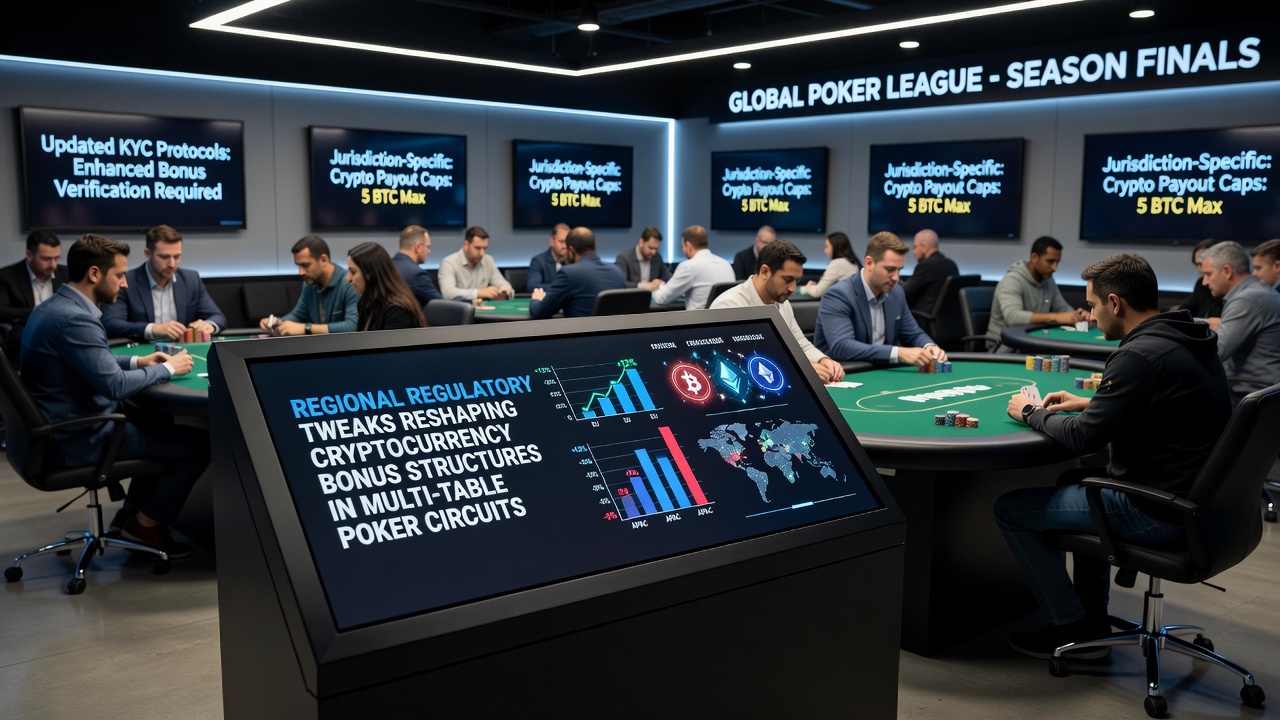
Regional authorities across multiple continents have introduced targeted adjustments to cryptocurrency rules that directly influence bonus offerings in multi-table poker circuits, and these shifts have prompted operators to recalibrate reward mechanics while maintaining compliance. Data from industry tracking services shows that bonus caps tied to digital asset transactions now vary by jurisdiction, which creates distinct playing environments for participants who move between circuits.
North American Policy Shifts and Bonus Caps
Canadian provincial regulators updated guidelines in early 2026 that require platforms offering cryptocurrency bonuses in poker events to apply stricter transaction verification steps, and these measures have led to revised bonus structures where maximum match amounts sit lower than previous levels. Observers note that circuits operating in Ontario and British Columbia now display bonus percentages capped at 50 percent for crypto deposits above certain thresholds, whereas earlier programs allowed higher tiers without regional differentiation. Figures from the Canadian Gaming Association indicate a 12 percent reduction in average bonus value per multi-table entry since the tweaks took effect.
Meanwhile, several U.S. state gaming commissions have aligned their digital currency oversight with existing banking rules, which forces poker operators to separate bonus funds from principal crypto holdings during tournament registration. This separation has produced new layered bonus models that release rewards in stages tied to completed hands rather than upfront credits, and multi-table circuits crossing state lines must track these stages separately to avoid compliance flags.
European Frameworks and Verification Layers
Regulators in Malta and the Isle of Man introduced amendments during summer 2026 that tie cryptocurrency bonus eligibility to enhanced player identification protocols, and these changes have reshaped how circuits structure loyalty rewards in multi-table formats. According to reports from the Malta Gaming Authority, operators must now verify crypto wallet origins before releasing any bonus tied to poker buy-ins, which has resulted in delayed reward activation periods that extend across multiple tournament sessions.
Research from the European Gaming and Betting Association reveals that circuits serving players from multiple EU member states have adopted unified bonus disclosure templates that list regional restrictions in a single interface. This approach reduces confusion for participants who enter events under varying local rules, yet it also requires software updates that adjust bonus calculations automatically based on detected player location.
Asia-Pacific Adjustments and Cross-Border Play
Australian state authorities implemented new cryptocurrency transaction reporting requirements in August 2026 that affect bonus accrual rates in poker circuits spanning several venues, and these requirements have encouraged operators to introduce region-specific bonus multipliers that decrease when players cross into stricter zones. Data compiled by the Australian Gambling Research Centre shows an 8 percent drop in crypto bonus redemptions within the first month after the rules activated.
Operators running international multi-table events have responded by embedding geofencing tools that automatically adjust bonus percentages according to the strictest applicable regional standard, and this practice ensures consistent compliance while preserving competitive prize pools. Those who organize circuits across borders report that participants now receive clearer advance notices about how local tweaks will modify their available rewards.
Operational Impacts on Tournament Circuits
Multi-table poker circuits have integrated automated compliance modules that scan incoming cryptocurrency transactions against regional databases, and these modules trigger bonus recalculations before each event starts. Evidence from circuit organizers indicates that processing times for bonus approvals have lengthened by an average of 45 minutes per registration, yet overall participation numbers remain stable because players adapt to the new structures.
Case examples from circuits in the Asia-Pacific region demonstrate that revised bonus schedules now emphasize non-monetary perks such as entry fee discounts or additional starting chips instead of direct crypto matches, and this pivot helps maintain engagement levels while satisfying regulatory demands. Operators have also begun publishing monthly compliance summaries that detail how regional tweaks influenced bonus distribution in their events.
Conclusion
Regional regulatory adjustments continue to drive measurable changes in cryptocurrency bonus structures across multi-table poker circuits, and these modifications require ongoing system updates plus clear communication with participants. Data from multiple jurisdictions shows that circuits adapting quickly through automated tools maintain steady registration volumes, whereas slower responses correlate with temporary dips in cross-border entries. As authorities refine their approaches, poker operators track these developments to align bonus offerings with the latest compliance expectations.