Linking Payment Flexibility to Hybrid Game Selection Patterns Among Regular Participants in Digital Entertainment Venues
Ines Simmons · May 22, 2026
Linking Payment Flexibility to Hybrid Game Selection Patterns Among Regular Participants in Digital Entertainment Venues
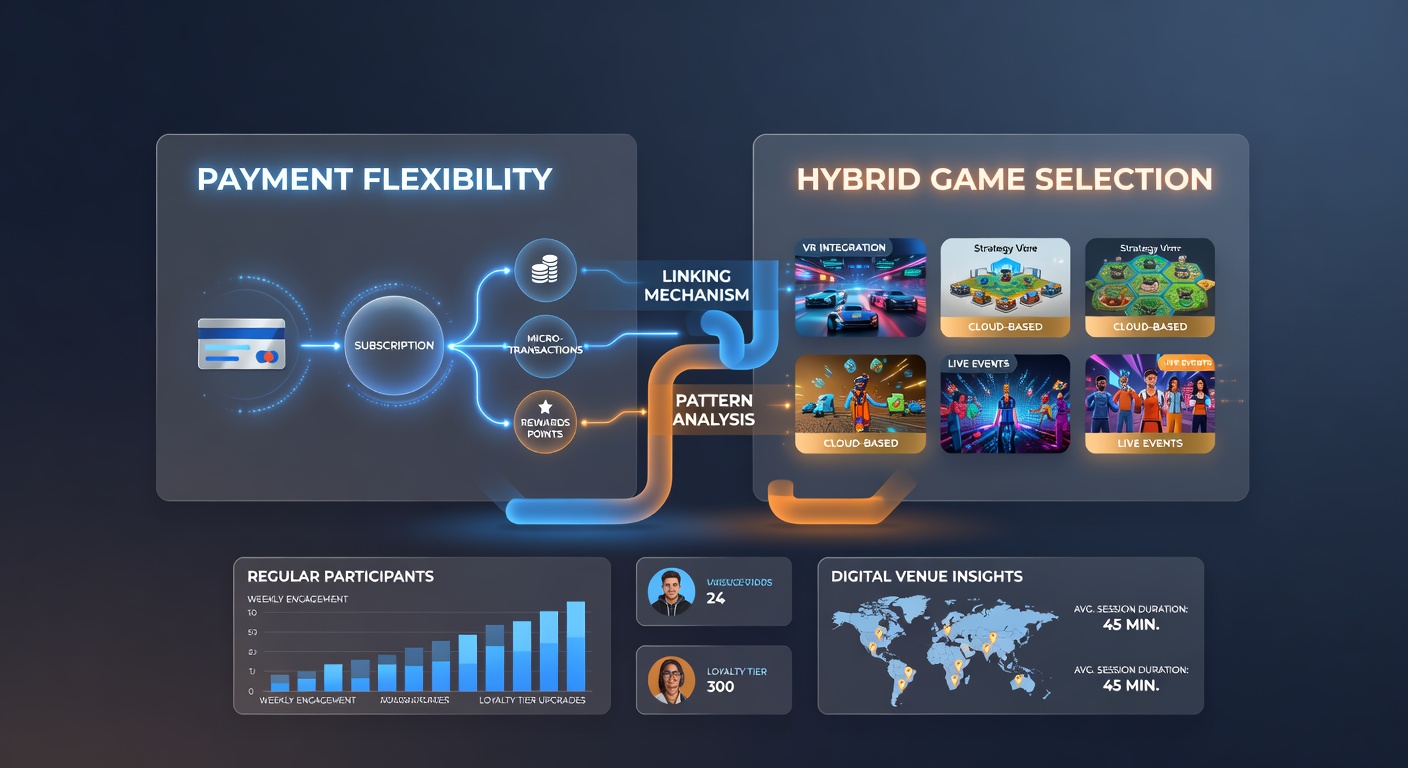
Payment flexibility has become a defining factor in how regular participants navigate hybrid game offerings at digital entertainment venues, where platforms blend virtual slots, live dealer tables, and interactive multiplayer formats into single ecosystems; data from industry tracking services shows that venues offering multiple deposit and withdrawal methods see distinct shifts in player choices toward experimental game mixes rather than fixed preferences for one category. Observers note that participants who access instant e-wallet transfers or cryptocurrency options often explore a wider array of hybrid titles, including those that combine progressive jackpots with real-time social features, because these methods reduce friction in funding sessions across different game types.
Payment Methods and Their Reach in Digital Venues
Traditional credit card processing still dominates in many regions, yet newer systems such as bank transfers integrated with mobile apps and prepaid vouchers have gained traction since regulatory updates in several markets allowed faster settlement times; a May 2026 report released by the Canadian Gaming Association highlighted that venues incorporating at least four distinct payment channels recorded higher engagement rates with hybrid selections that merge slot mechanics with table game elements. Those who manage regular participation find that seamless cross-border options, including region-specific digital wallets popular in European and Asian markets, encourage movement between game formats without the delays once associated with legacy banking routes.
What's interesting is how these channels connect directly to selection behavior, since participants using cryptocurrency deposits tend to sample more experimental hybrids that feature variable volatility settings and community bonus rounds; figures from platform analytics indicate this group logs into mixed-reality environments at rates twenty percent above users limited to single-method accounts. Researchers discovered that venues promoting pay-by-phone services see similar diversification, particularly when promotions tie deposit bonuses to specific hybrid categories like branded content that crosses online and mobile play.
Observed Patterns in Game Selection
Regular participants demonstrate repeatable patterns when payment flexibility expands, with data showing increased time spent on hybrids that allow quick switches between solo play and group challenges; one study from a North American research institution tracked over ten thousand active accounts and found that accounts enabled for multiple funding sources allocated sessions more evenly across genres instead of clustering around familiar favorites. This distribution holds steady even during peak hours, suggesting the availability of instant options removes hesitation that might otherwise keep players in a single lane.
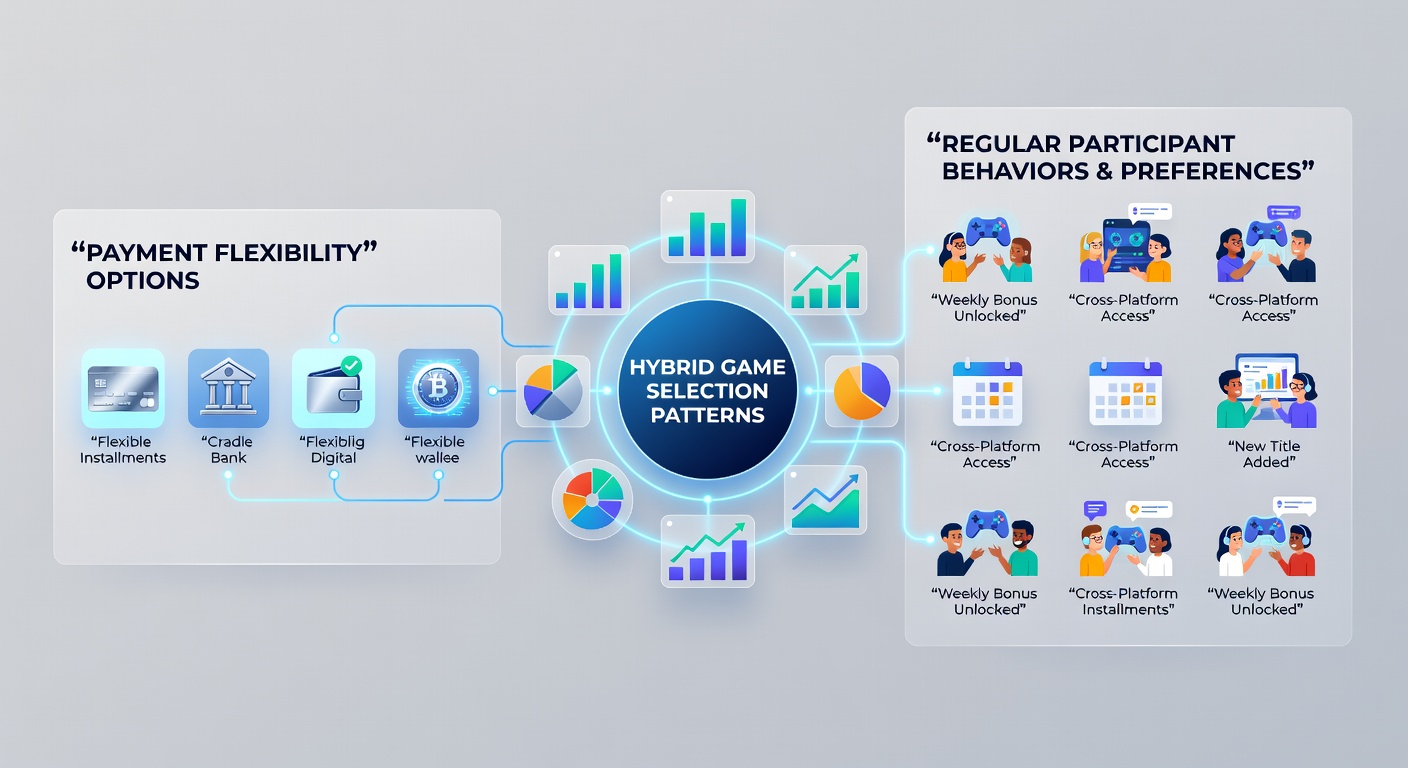
Turns out that regional differences also surface clearly, whereas North American venues report stronger uptake of sports-themed hybrids when crypto or e-wallet flexibility is present, Australian platforms note elevated interest in strategy-based live hybrids among users with flexible reload options. The reality is that these patterns emerge because payment variety lowers the perceived risk of trying unfamiliar mechanics, allowing participants to test several hybrids within one funded session rather than committing to a narrow selection from the outset.
Data Trends and Industry Tracking
According to aggregated figures released in early 2026 by gaming analytics firms, venues that introduced tiered payment incentives saw measurable upticks in hybrid game trials, especially among accounts active for more than six months; these incentives often include fee-free withdrawals tied to volume played across multiple formats. Experts have observed that the effect compounds when loyalty programs reward diversification, creating loops where flexible funding supports broader exploration and in turn generates higher retention metrics for the venue overall.
Take one researcher who analyzed transaction logs across several international platforms and noted that participants with access to both traditional and digital payment rails completed more cross-genre sessions per week than those restricted to basic card processing alone. This holds particular relevance for hybrid selections that blend progressive elements with live dealer interaction, categories that benefit from the ability to top up balances mid-session without leaving the interface.
Regulatory Context and Venue Adaptations
Regulatory bodies in multiple jurisdictions have begun examining how payment flexibility intersects with game access, and guidelines issued in parts of Europe and Asia now encourage transparent disclosure of all accepted methods to support informed player choices; such measures align with broader efforts to maintain operational standards while accommodating evolving participant habits. Venues have responded by integrating unified wallets that handle both fiat and alternative currencies, streamlining the path from deposit to hybrid game entry.
But here's the thing: these adaptations appear most effective when paired with clear session controls, allowing regular participants to set limits that apply uniformly across game types regardless of funding source. Data indicates this combination reduces friction further and supports sustained engagement with hybrid formats that might otherwise feel segmented by payment barriers.
Conclusion
Payment flexibility continues to shape how regular participants approach hybrid game selections at digital entertainment venues, with available data revealing consistent links between diverse funding options and broader exploration of mixed-format titles. As platforms refine these systems through 2026 and beyond, the patterns documented by researchers and industry trackers suggest ongoing evolution in participant behavior driven by reduced transactional hurdles and expanded access across game categories.