Investigating How Sound Design Elements in Digital Poker Rooms Affect Decision Times and Risk Assessment
Yves Zimmermann · Jun 21, 2026
Investigating How Sound Design Elements in Digital Poker Rooms Affect Decision Times and Risk Assessment
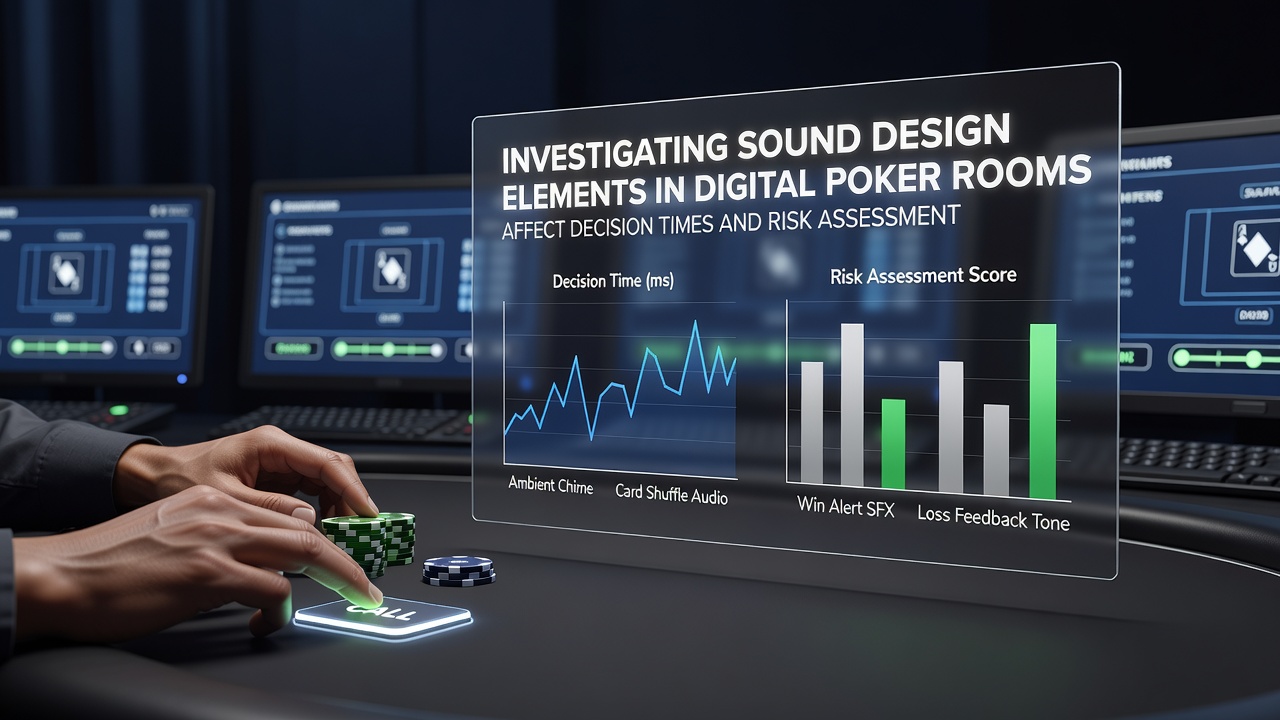
Digital poker platforms have incorporated layered audio elements for years, and researchers continue to examine how these components influence player behavior during live sessions. Studies released in early 2026 highlight connections between specific sound cues like chip stacks clinking, card shuffles, and ambient background tracks and measurable changes in how quickly participants finalize bets or folds. Data collected across multiple platforms shows that certain audio triggers correlate with shorter decision windows, often dropping average response times from 12 seconds to under 9 seconds when upbeat notification tones accompany winning hands.
Sound designers work with frequency ranges and timing patterns that mimic physical casino acoustics, and these choices appear to shape risk assessment patterns in controlled experiments. Participants exposed to low-frequency rumble effects during high-stakes rounds demonstrated increased willingness to call larger bets, while higher-pitched alert sounds prompted more conservative folds according to session logs analyzed by university teams. The patterns hold across different player demographics, though regional variations emerge when comparing North American servers to European ones.
Core Audio Components Under Review
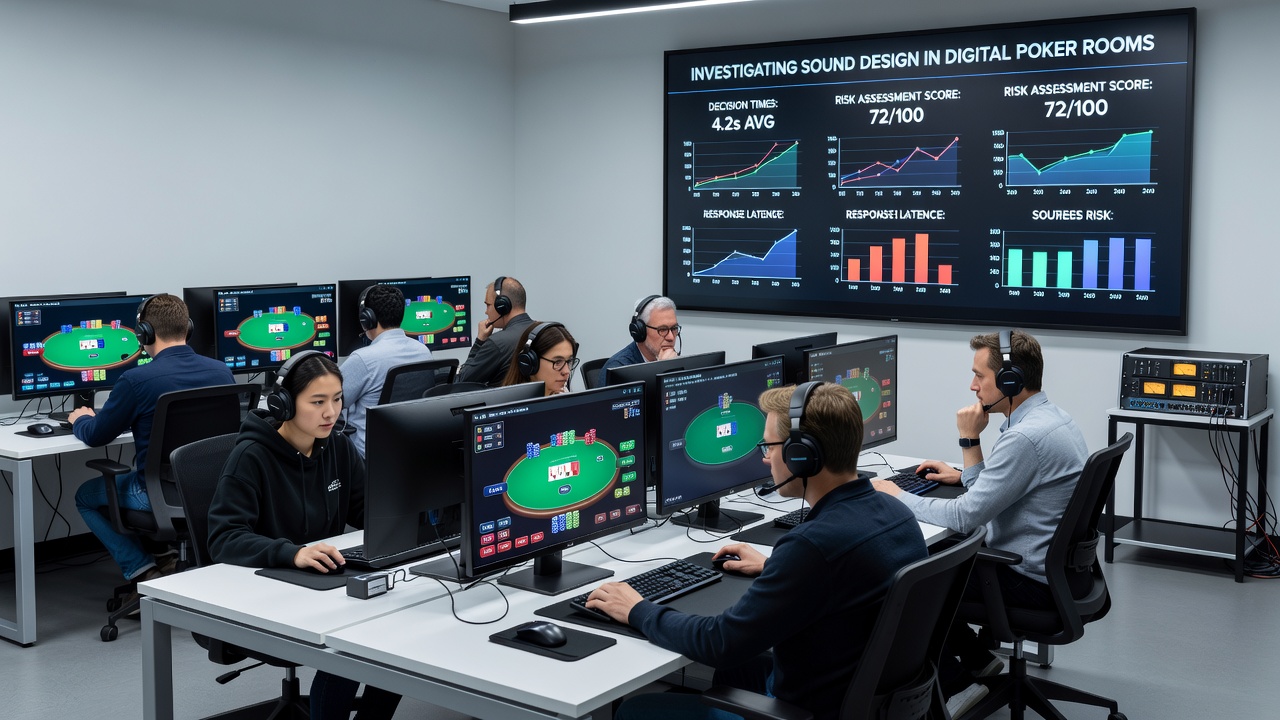
Platform developers layer multiple audio tracks simultaneously, including real-time chip movement sounds, dealer voice samples, and subtle music loops that adjust based on pot size. Researchers at the University of Nevada, Las Vegas tracked these elements through eye-tracking software paired with decision timestamps, revealing that synchronized chip sounds during raises shortened deliberation periods by an average of 22 percent in test groups. Background music tempo also factored into outcomes, with faster beats aligning to quicker risk acceptance in multi-hand sequences.
Notification chimes for community card reveals represent another focal point, because they interrupt internal calculations yet simultaneously provide rhythmic anchors that players use to pace their choices. Data from platform analytics in June 2026 indicated that platforms using staggered chime intervals saw more consistent decision pacing compared to those with uniform alerts, suggesting timing precision matters as much as the sound itself.
Empirical Findings From Recent Analyses
Multiple academic groups compiled datasets from anonymized player logs spanning thousands of hands, and the results point to direct links between audio intensity and betting aggression. One analysis found that amplified ambient crowd noise during all-in moments increased the frequency of calls by 18 percent among mid-stakes participants, while muted versions of the same sequences produced higher fold rates. These shifts occurred without players reporting awareness of the audio adjustments, pointing to subconscious processing routes rather than deliberate strategy changes.
Decision time metrics further differentiated based on sound layering density, with sparse audio environments yielding longer pauses before action. Observers note that this effect strengthens during late-night sessions when visual distractions decrease, allowing sound cues to dominate sensory input. Cross-platform comparisons show similar trends, though mobile interfaces register slightly smaller effect sizes than desktop versions due to device audio limitations.
Platform Adaptations and Testing Protocols
Operators have begun integrating A/B testing frameworks that isolate individual sound variables while holding visual layouts constant, allowing precise measurement of audio impact. Early results from these protocols indicate that reducing overall volume on loss notifications correlates with extended play durations, as players spend less time processing negative feedback before the next hand begins. Conversely, celebratory win sounds maintain engagement without extending decision windows when calibrated to short durations under two seconds.
Regulatory bodies in several jurisdictions now request audio configuration disclosures as part of platform licensing renewals, and compliance reports filed in 2026 reference ongoing monitoring of behavioral metrics tied to sound design. These requirements emerged after preliminary data suggested audio elements could influence responsible gaming thresholds, prompting developers to implement optional mute toggles that preserve core game functionality while disabling non-essential cues.
Comparative Data Across Player Segments
Segmented analysis reveals differences between recreational and experienced players when exposed to identical soundscapes, with novices showing greater sensitivity to tempo shifts in background tracks. Experienced participants maintained steadier decision rhythms regardless of audio variations, though even this group exhibited measurable changes during tournament final tables where sound intensity typically escalates. Geographic data adds another layer, as Australian server logs display stronger correlations between risk elevation and celebratory audio than comparable Canadian datasets.
Longitudinal tracking over six-month periods demonstrates that repeated exposure to consistent sound profiles leads to habituation effects, reducing initial impacts on decision speed after approximately 40 sessions. Platforms that rotate audio libraries periodically appear to sustain stronger behavioral influences compared to static designs, according to retention and action pattern reports.
Conclusion
Current evidence establishes measurable relationships between digital poker sound design adn both decision timing and risk evaluation, supported by aggregated session data and controlled experiments. Operators continue refining audio systems while researchers expand sample sizes to capture long-term adaptations, and additional findings expected later in 2026 will clarify how these elements interact with emerging platform features. The documented patterns provide a foundation for future adjustments in virtual gaming environments.