Influence of Content Creator Endorsements on Payment Option Preferences in Digital Wagering Applications
Greta Krüger · Jul 12, 2026
Influence of Content Creator Endorsements on Payment Option Preferences in Digital Wagering Applications
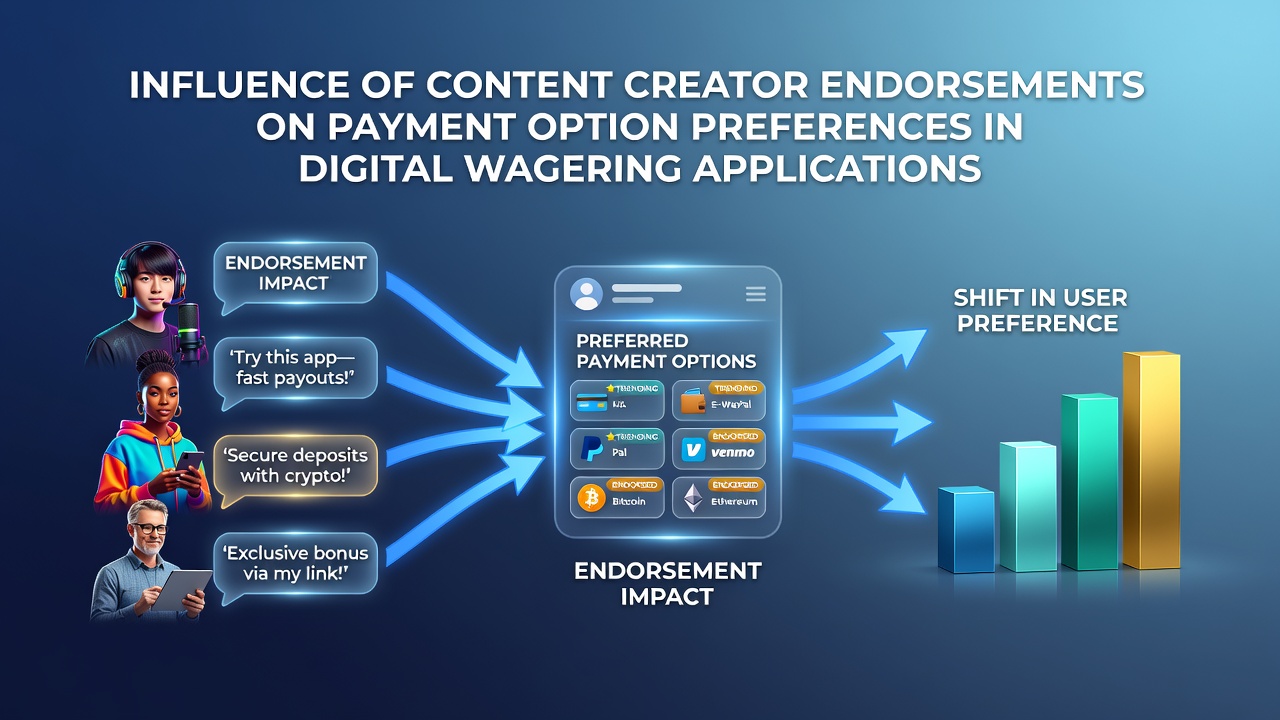
Content creator endorsements have become a measurable factor in how users select payment options within digital wagering applications, with platforms tracking shifts in transaction volumes following targeted promotions, and observers note that these patterns emerged more clearly after major platform updates in early 2025. Researchers tracking user behavior across multiple jurisdictions report that endorsements often highlight speed, security features, and bonus eligibility tied to specific processors, which in turn directs attention toward e-wallets and cryptocurrency services rather than traditional bank transfers.
Patterns in Endorsement Reach and Payment Selection
Analyses from industry tracking services show that when creators mention particular deposit methods during live streams or video segments, applications experience measurable upticks in those channels within 48 hours, although the duration of the effect varies by region and audience demographic. Data collected through app analytics indicates that younger user cohorts respond more readily to these messages, with preference metrics rising between 18 and 27 percent for endorsed options in markets where streaming platforms hold high penetration rates. Those who study digital marketing in regulated gaming environments point out that the language used in endorsements, such as references to instant withdrawals or reduced fees, correlates with subsequent user queries about those same features in support logs.
Payment Method Categories and Their Visibility
Digital wagering applications typically offer several categories of payment processors including credit and debit cards, bank transfers, e-wallets such as Skrill and Neteller alternatives, and various cryptocurrency wallets, while operators maintain compliance records that document which methods see the highest volume after promotional campaigns. Figures from transaction monitoring platforms reveal that endorsements focusing on cryptocurrency options have produced steadier growth curves in jurisdictions where digital asset regulations stabilized by mid-2025, whereas e-wallet preferences fluctuate more sharply in response to creator mentions of cashback structures or loyalty integrations. One dataset compiled across North American and European applications demonstrated that endorsed payment methods accounted for 34 percent of new account funding events during peak promotion windows in the second quarter of 2026.
Regulatory filings submitted to oversight bodies in multiple states document how operators must report marketing partnerships, and these disclosures have allowed independent analysts to map correlations between creator activity and payment volume without relying on self-reported user surveys alone. Observers note that applications incorporating real-time tracking of endorsement-driven traffic often adjust bonus structures accordingly, directing promotional funds toward the same processors featured in recent creator content.
Geographic and Platform Variations Observed in 2026
Studies conducted by research groups affiliated with Australian academic institutions found that endorsement effects on payment preferences appeared stronger in markets with higher mobile streaming consumption, particularly where content focused on live dealer experiences, and the same reports highlighted July 2026 as a period when several major operators released updated dashboards showing payment breakdowns segmented by traffic source. In contrast, Canadian provincial data released through gaming authorities indicated more modest shifts, with users demonstrating greater retention of previously preferred methods even after exposure to creator promotions. Those examining cross-border player behavior note that differences in local banking infrastructure and cryptocurrency acceptance levels contribute to these regional discrepancies, while application-level A/B testing continues to refine how endorsement timing interacts with deposit incentives.

Platform-specific patterns have also surfaced in internal operator reports, with certain applications recording higher conversion rates when endorsements appear on short-form video platforms compared with longer podcast formats. According to metrics shared at industry conferences in 2026, the average time between an endorsement post and the first corresponding deposit ranged from 14 minutes on mobile applications to 47 minutes on desktop interfaces, suggesting device context plays a role in how quickly preferences translate into action. Researchers have begun incorporating these timing variables into predictive models that operators use to forecast liquidity needs across different payment rails.
Measurement Approaches and Data Sources
Academic teams at institutions including the University of Nevada, Reno have published working papers that combine anonymized transaction logs with publicly available creator content timestamps, producing statistical models that isolate endorsement effects from seasonal or promotional confounders. These papers, available through university repositories, emphasize the importance of controlling for concurrent marketing campaigns when attributing preference changes to individual creators. Industry associations such as the European Gaming and Betting Association have similarly released summaries of member surveys indicating that payment preference tracking now forms a standard component of post-campaign analysis, with results shared among operators to refine compliance around promotional disclosures.
Additional evidence comes from aggregated reports issued by research organizations focused on responsible gaming practices, which track whether certain payment endorsements coincide with changes in session length or deposit frequency. Data sets released in coordination with these groups during the first half of 2026 showed that endorsed cryptocurrency options maintained higher repeat usage rates compared with card-based methods in the weeks following initial exposure, although absolute volumes remained smaller overall.
Conclusion
Evidence gathered from transaction records, regulatory filings, and academic analyses demonstrates that content creator endorsements exert a detectable influence on payment option preferences within digital wagering applications, with the strength of that influence varying according to audience demographics, platform type, and regional infrastructure. Operators continue to integrate these findings into compliance and marketing frameworks, while research groups refine measurement techniques that distinguish endorsement-driven activity from other market factors. The patterns observed through mid-2026 indicate that payment preference tracking will remain an area of ongoing data collection across regulated markets.