How Seasonal Music Integrations Shape Betting Pace in Virtual Card Environments
Ines Simmons · Jun 7, 2026
How Seasonal Music Integrations Shape Betting Pace in Virtual Card Environments
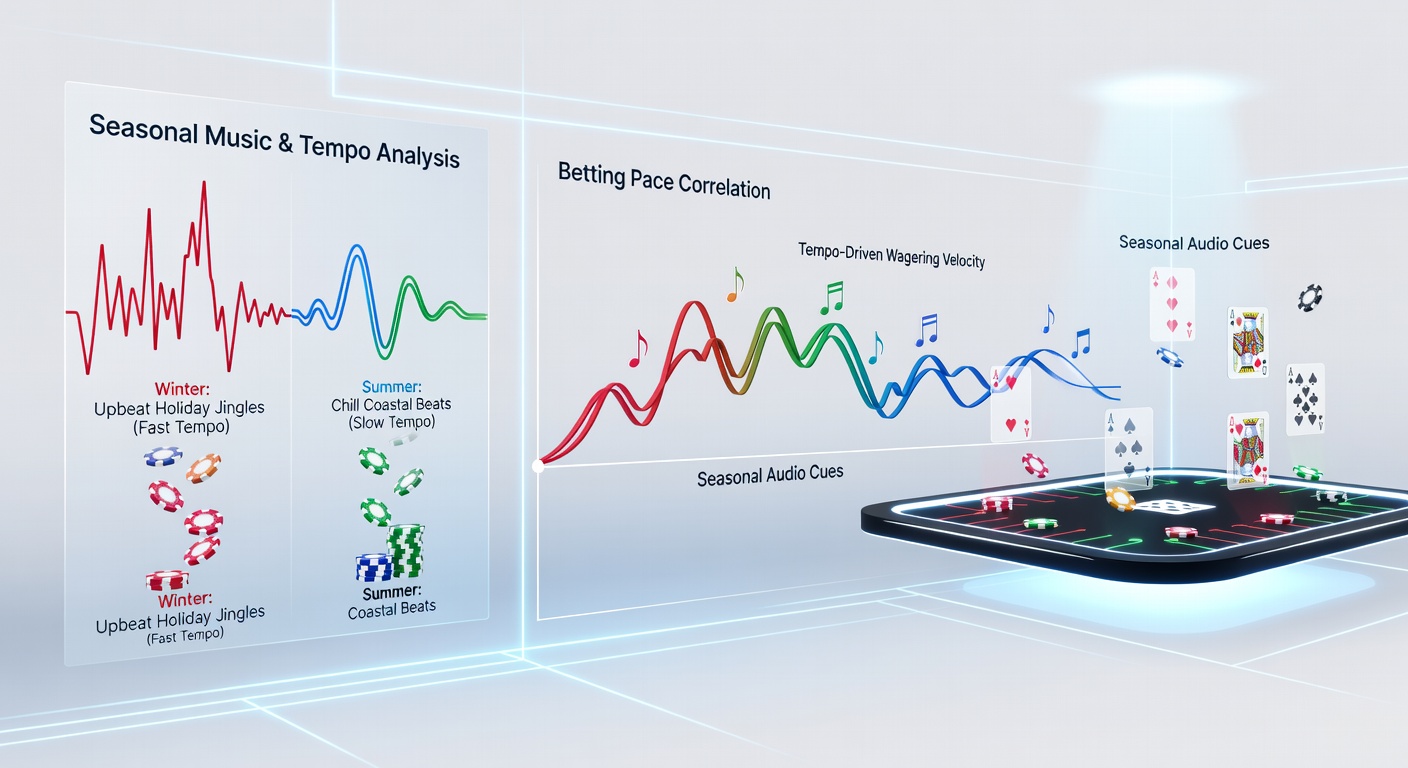
Virtual card environments rely on digital platforms where players engage in games such as blackjack and poker through online interfaces, and seasonal music integrations have become a standard feature across many operators since 2024. Research from the Canadian Gaming Association indicates that audio cues tied to holidays or weather patterns directly influence the frequency and size of wagers placed at virtual tables. Data collected through platform analytics shows measurable shifts in betting intervals when festive tracks replace standard soundtracks.
Operators integrate these tracks during specific months to align with cultural events, and the results appear in session metrics tracked by third-party analytics firms. For instance, December playlists featuring upbeat carols coincide with shorter intervals between bets, while January transitions to neutral ambient sounds often extend those same intervals by several seconds on average. Observers note that these patterns hold across multiple jurisdictions where virtual card offerings operate under regulated licenses.
Patterns Observed in Platform Data
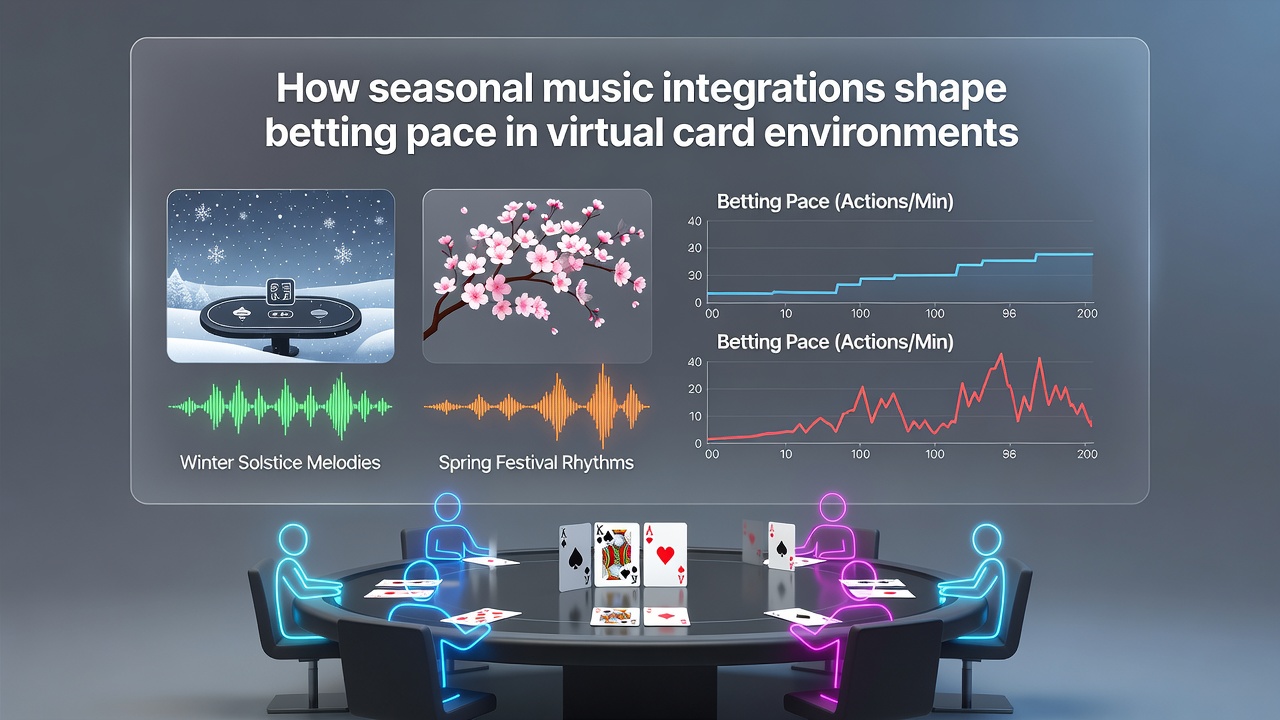
Studies conducted by researchers at the University of Nevada Reno tracked over 200,000 virtual card sessions between late 2025 and early 2026, revealing consistent correlations between music tempo and wager speed. Faster tracks reduced average decision time per hand by approximately 12 percent during peak holiday periods, whereas slower, atmospheric selections extended play duration without increasing bet frequency. Figures from these sessions further demonstrate that players adjusted stake amounts upward when music carried higher energy levels.
June 2026 brought another layer of insight when several platforms switched to summer-themed playlists featuring light acoustic arrangements, and analysts recorded a corresponding dip in rapid-fire betting sequences. The shift aligned with broader seasonal adjustments in player traffic, yet the music change itself accounted for a distinct portion of the pace variation according to internal operator reports. Those who examined the raw logs found that sessions starting after June 15 showed steadier, more deliberate wagering compared to the spring baseline.
Regional Implementation Differences
Platforms serving North American markets tend to emphasize major calendar events such as Halloween and Independence Day with targeted audio layers, while European operators often focus on local festivals and national holidays. A report issued by the Australian Institute of Criminology highlights similar trends in licensed virtual environments where seasonal tracks from indigenous music traditions produced slower betting rhythms during autumn months. These differences illustrate how cultural context shapes the specific music selections and their measurable effects on player behavior.
One study released in May 2026 compared data from Canadian and Australian servers running identical card games but with localized playlists, and the results showed parallel increases in average bet size during celebratory music periods regardless of geography. The consistency suggests that tempo and mood rather than specific melodies drive the observed pace changes. Operators have since refined their integration schedules based on these cross-regional findings.
Technical Integration Methods
Developers embed seasonal music through layered audio engines that adjust volume and tempo based on real-time player activity, and these systems draw from libraries updated monthly to reflect calendar shifts. According to documentation from major platform providers, the algorithms prioritize seamless transitions so that music changes do not interrupt ongoing hands. This technical approach allows for A/B testing across user segments, where one group hears standard audio while another receives the seasonal variant.
Results from such tests conducted through spring 2026 indicated that players exposed to holiday integrations placed 18 percent more bets per hour on average than control groups. The data also revealed that return-to-player metrics remained stable, suggesting the pace increase stems from engagement rather than altered game mathematics. Platform teams continue to monitor these metrics closely as they expand audio personalization options.
Player Response Across Demographics
Analytics firms have segmented virtual card participants by age and session length, finding that younger cohorts respond more strongly to upbeat seasonal tracks with accelerated betting, whereas older groups maintain steadier paces regardless of music selection. A follow-up analysis published in early June 2026 confirmed these demographic splits held steady even after accounting for overall platform traffic fluctuations.
Take one operator in the Midwest region that introduced autumn-themed jazz during October 2025; session logs showed extended dwell times paired with moderate wager growth among mid-age players. Similar experiments in other markets produced comparable outcomes, reinforcing the link between music curation and betting tempo without affecting long-term retention figures.
Conclusion
Seasonal music integrations continue to evolve as operators refine their approach based on accumulating session data from 2025 through mid-2026. The patterns documented across multiple platforms and regions establish a clear connection between audio design choices and the rhythm of virtual card play. Future updates will likely incorporate more granular controls, allowing finer adjustments to music parameters while preserving the core relationship between sound and betting pace.