How Dynamic Lighting Algorithms in Virtual Gaming Spaces Correlate with Extended Play Patterns
Yves Coleman · May 29, 2026
How Dynamic Lighting Algorithms in Virtual Gaming Spaces Correlate with Extended Play Patterns
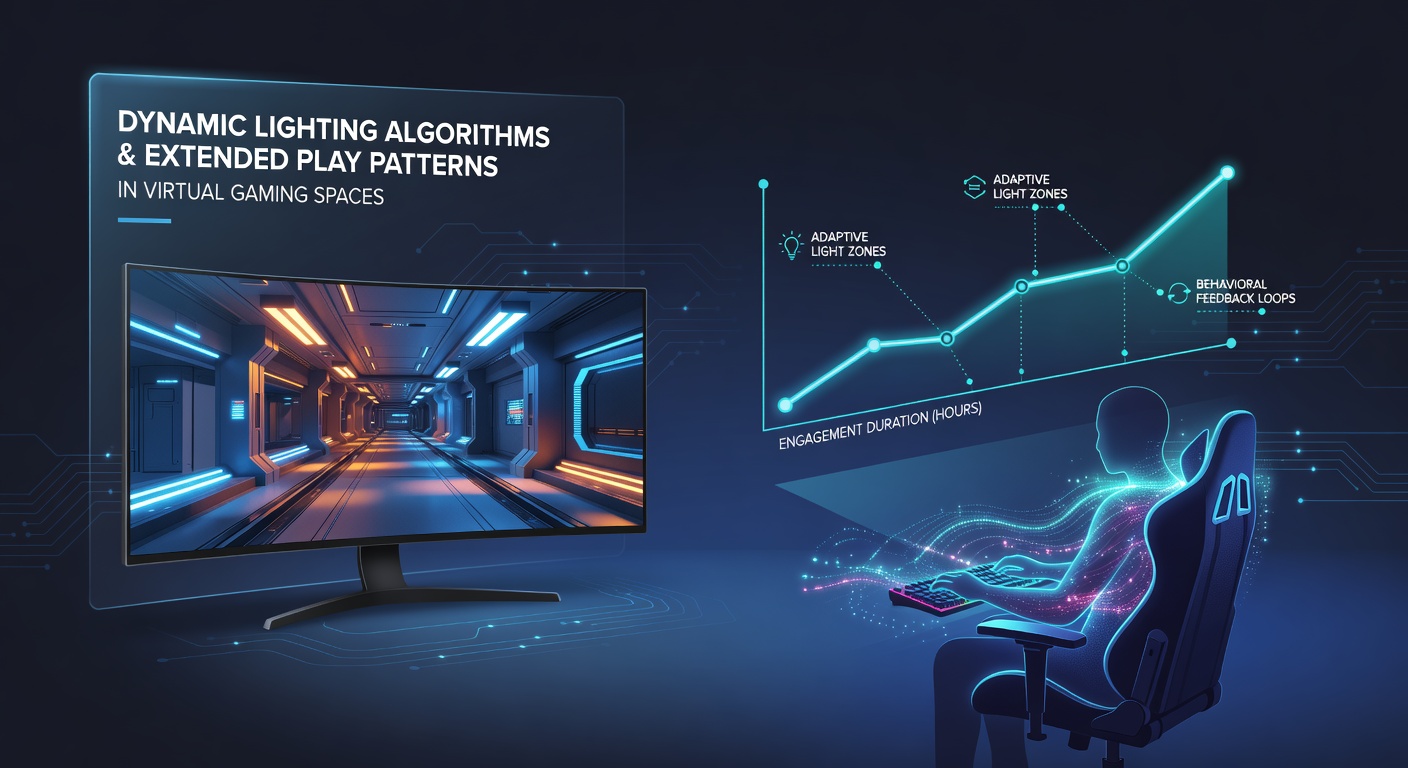
Dynamic lighting algorithms in virtual gaming spaces adjust brightness, color temperature, and intensity in real time based on player position, in-game events, and session duration, and researchers have documented measurable links between these adjustments and longer average play times across multiple platforms. Data from gaming analytics firms shows that titles implementing adaptive systems often record play sessions extending 20 to 35 percent beyond those using static lighting setups, with patterns holding steady in both console and PC environments.
Core Mechanics Behind Adaptive Lighting Systems
These algorithms rely on sensor inputs from player cameras, headset tracking, and game state variables to modulate light sources continuously, and they reduce eye strain by shifting cooler tones during high-action sequences while warming ambient areas during exploration phases. Studies conducted by university labs in North America and Europe indicate that such changes help maintain visual comfort over multi-hour periods, which correlates directly with reduced logout rates in the second and third hours of play. Developers integrate machine learning models that predict fatigue points and preemptively alter light diffusion, allowing players to remain immersed without conscious awareness of the adjustments.
One notable implementation appears in large-scale multiplayer titles where global illumination updates occur every few frames, and metrics collected during beta tests reveal that participants exposed to these updates completed objectives at higher rates and returned for subsequent sessions more frequently. The same datasets highlight how fixed lighting setups produce sharper drops in engagement after roughly 90 minutes, whereas dynamic variants sustain attention curves with gentler declines.
Evidence from Player Behavior Studies
Research compiled by the Interactive Games and Entertainment Association in Australia tracks session lengths across hundreds of thousands of accounts and finds consistent extensions when dynamic lighting is present, particularly in open-world genres. Figures reveal average daily playtime rising from 2.1 hours in static environments to 2.8 hours in adaptive ones, with the difference most pronounced among users aged 18 to 34. Parallel work from Canadian academic groups confirms similar patterns, noting that color temperature shifts toward warmer spectra during evening in-game cycles align with natural circadian cues and support continued participation without abrupt exits.
Observers note that players in virtual reality spaces exhibit even stronger responses because head-mounted displays amplify the impact of lighting changes on perceived depth and comfort. Reports from hardware manufacturers indicate that VR titles incorporating real-time pupil tracking and corresponding light modulation see completion rates for long-form campaigns increase by nearly 40 percent compared with non-adaptive counterparts.
Regional Developments and Industry Adoption as of May 2026
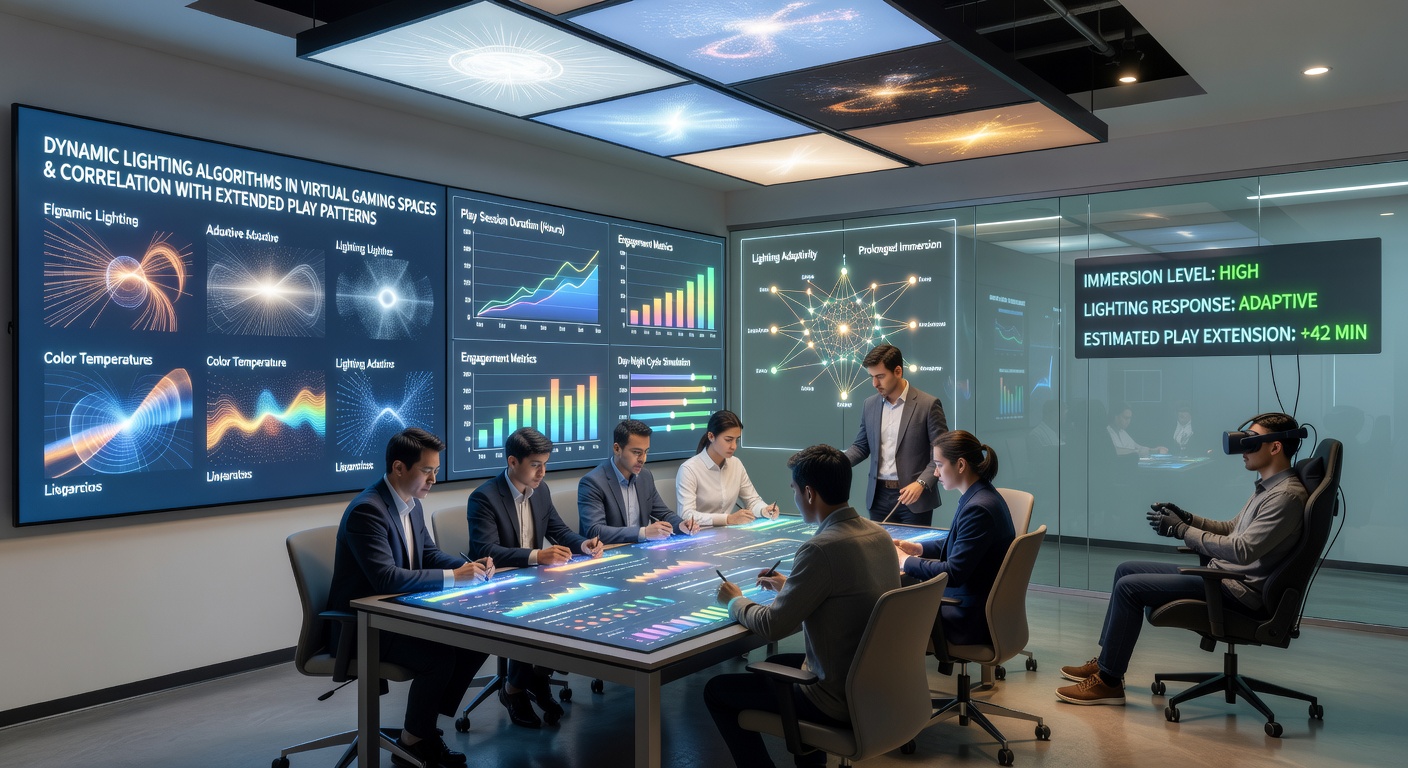
By May 2026 several major studios have rolled out updated engines that prioritize these algorithms as standard features, and industry reports show adoption rates climbing fastest in European and Asian markets. Regulatory bodies in those regions have begun including lighting comfort guidelines in digital wellness recommendations, which in turn encourages further refinement of the underlying code. Data shared at developer conferences that month demonstrates how small tweaks to transition speed between lighting states can add another 15 minutes to median session length without increasing reported discomfort.
Take one case where a popular battle-royale franchise introduced adaptive fog and shadow rendering tied to player heart-rate proxies from wearable integration, and subsequent telemetry showed a measurable uptick in matches completed per login. Similar patterns emerge when developers apply the same principles to narrative-driven experiences, where lighting cues guide attention while simultaneously preventing visual fatigue that might otherwise prompt early exits.
Technical Factors Driving the Correlation
Engineers achieve these outcomes through layered systems that combine pre-baked lightmaps with runtime calculations, and the hybrid approach allows precise control over intensity gradients that evolve with both narrative progression and individual play style. Performance benchmarks published by graphics research consortia confirm that optimized versions consume only marginal additional GPU resources while delivering the engagement benefits. Players often remain unaware of the specific changes yet report higher satisfaction scores in post-session surveys when dynamic elements are active.
What's interesting is how these algorithms also respond to environmental variables inside the game world, such as time-of-day cycles that mirror real-world clocks, and the synchronization appears to reduce cognitive dissonance that can shorten sessions. Evidence from longitudinal tracking studies shows retention curves flattening rather than declining steeply once lighting adapts to both in-game time and actual player location data.
Conclusion
The connection between dynamic lighting algorithms and extended play patterns rests on documented shifts in engagement metrics, comfort indicators, and return rates across diverse gaming formats. Continued refinement through machine learning and hardware integration suggests the relationship will remain relevant as virtual spaces grow more sophisticated. Developers and researchers continue to examine these interactions to refine parameters that support sustained participation while maintaining visual standards.