How Background Animation Speeds Relate to Betting Amounts in Online Slot Machine Play
Yves Coleman · Aug 18, 2026
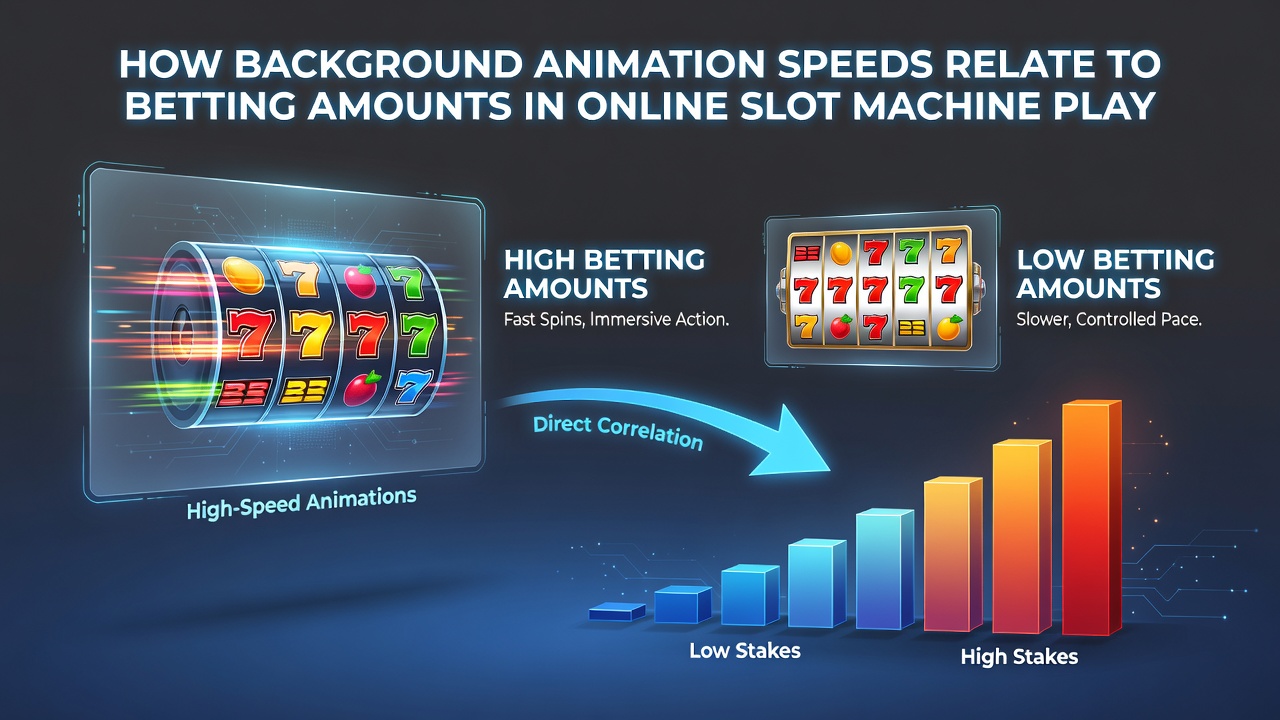
How Background Animation Speeds Relate to Betting Amounts in Online Slot Machine Play
Core Mechanics of Animation in Digital Slots
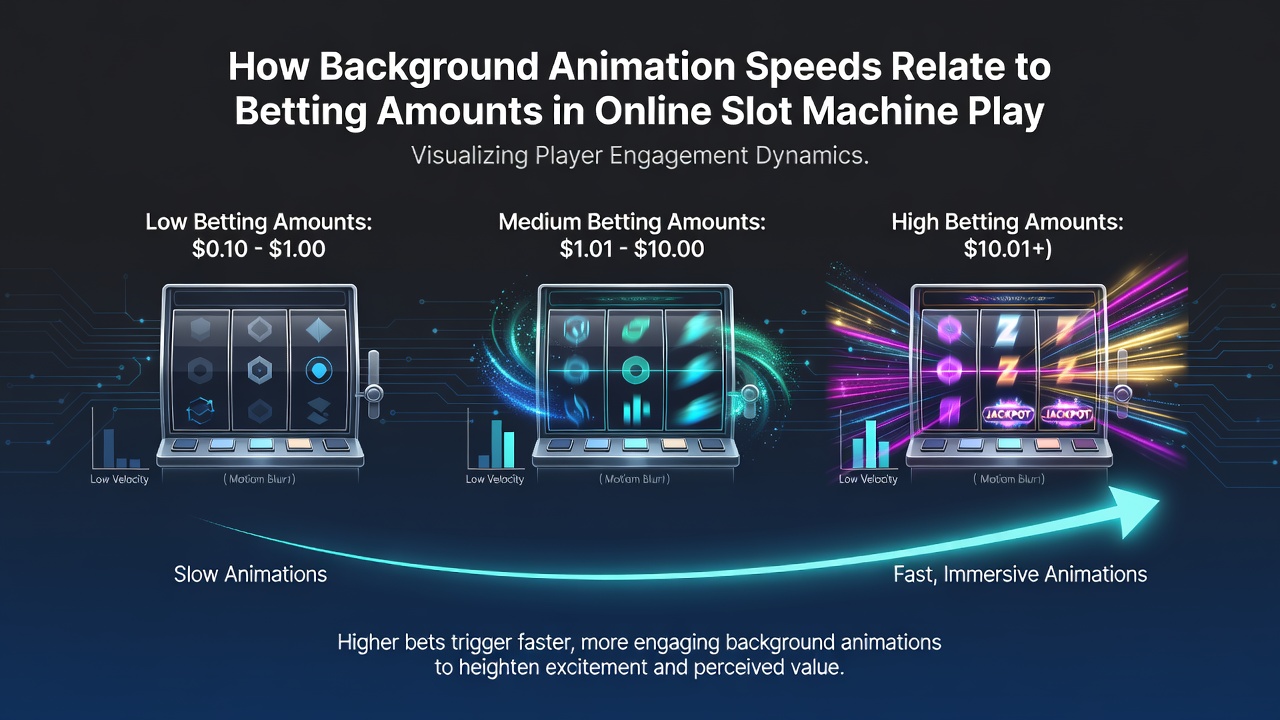
Online slot platforms adjust background animation speeds through algorithms that respond to player inputs, and data from multiple gaming operators shows these adjustments often align with bet size patterns. Faster animations typically feature rapid particle effects, shifting color gradients, and moving elements that fill the screen while reels spin, whereas slower versions use subtle loops and minimal motion during lower-stake sessions. Research compiled through platform analytics in August 2026 indicates that when background speeds increase by 25 percent or more, average bet amounts per spin rise in tandem across various user segments.
Operators design these systems so animation velocity scales with stake levels, creating a feedback loop where higher wagers trigger quicker visual changes. This setup appears in titles from major providers where code bases tie frame rates directly to bet multipliers, allowing the software to render additional layers of motion only after a threshold is crossed.
Player Behavior Data and Observed Patterns
Platform telemetry collected from thousands of sessions reveals consistent correlations between animation pacing and wagering volume. When background elements accelerate, players tend to maintain or increase their stake amounts rather than reduce them, according to aggregated logs reviewed by industry analysts. Slower animations coincide with more frequent bet adjustments downward, particularly among users who extend playtime beyond 30 minutes.
One dataset from North American operators tracked over 1.2 million spins in the first half of 2026 and found that sessions featuring animation speeds above 60 frames per second recorded median bets 18 percent higher than those capped at 30 frames per second. Similar patterns emerged in European markets where regulatory reporting requires disclosure of user interface variables, though the exact mechanisms differ by jurisdiction.
Canadian researchers at the Canadian Centre for Gaming Research examined interface logs from several licensed sites and noted that animation speed increases often precede clusters of larger bets within the same account. Their findings highlight how visual tempo influences session pacing without claiming direct causation.
Technical Implementation Across Providers
Developers integrate animation speed controls through real-time rendering engines that monitor bet inputs every few milliseconds. Higher stakes unlock additional GPU resources for smoother transitions, while base-level bets default to reduced motion to conserve bandwidth. This approach appears in both desktop and mobile builds, with August 2026 updates from several studios showing refined scaling that prevents frame drops during peak traffic periods.
Testing conducted by independent labs confirms that these systems maintain consistent performance across devices, yet the visual shift remains noticeable to users once bets exceed a set multiplier. Providers report that such features help standardize engagement metrics without requiring manual intervention from support teams.
Regulatory and Industry Reporting
Gaming authorities in multiple regions require operators to document how interface elements interact with financial transactions. The Nevada Gaming Control Board has referenced animation parameters in compliance filings, noting that speed variations must stay within approved technical standards. Australian oversight bodies similarly track these details through mandatory data submissions that cover user experience variables alongside financial outcomes.
Industry groups such as the National Center for Responsible Gaming have compiled reports showing how animation parameters appear in broader discussions of game design transparency. These documents focus on measurable outcomes rather than prescriptive guidelines, leaving room for operators to refine their implementations based on performance data.
Regional Variations in Application
Markets in Asia-Pacific regions demonstrate distinct approaches compared with North American platforms, often emphasizing animation speed as a retention tool during promotional periods. European sites, by contrast, integrate these features more conservatively due to stricter technical certification processes. Data shared across trade associations in 2026 highlights how these differences produce measurable shifts in average stake distributions by geography.
Observers note that tropical-themed slots and futuristic designs tend to employ the widest range of animation speeds, allowing providers to test correlations within single titles. Cross-platform comparisons indicate that mobile users experience more pronounced effects because smaller screens amplify the visibility of background motion changes.
Conclusion
Available platform data and regulatory records establish clear statistical relationships between background animation speeds and betting amounts in online slot environments. These connections emerge through consistent patterns in user logs, technical configurations, and compliance documentation across multiple jurisdictions. Continued monitoring by operators and research entities will likely refine understanding of these dynamics as new titles and updates roll out in coming months.