Exploring How Loyalty Tier Advancements Influence Wager Sizing Decisions During Extended Virtual Blackjack Sessions Across Multiple Platforms
Yves Zimmermann · Aug 25, 2026
Exploring How Loyalty Tier Advancements Influence Wager Sizing Decisions During Extended Virtual Blackjack Sessions Across Multiple Platforms
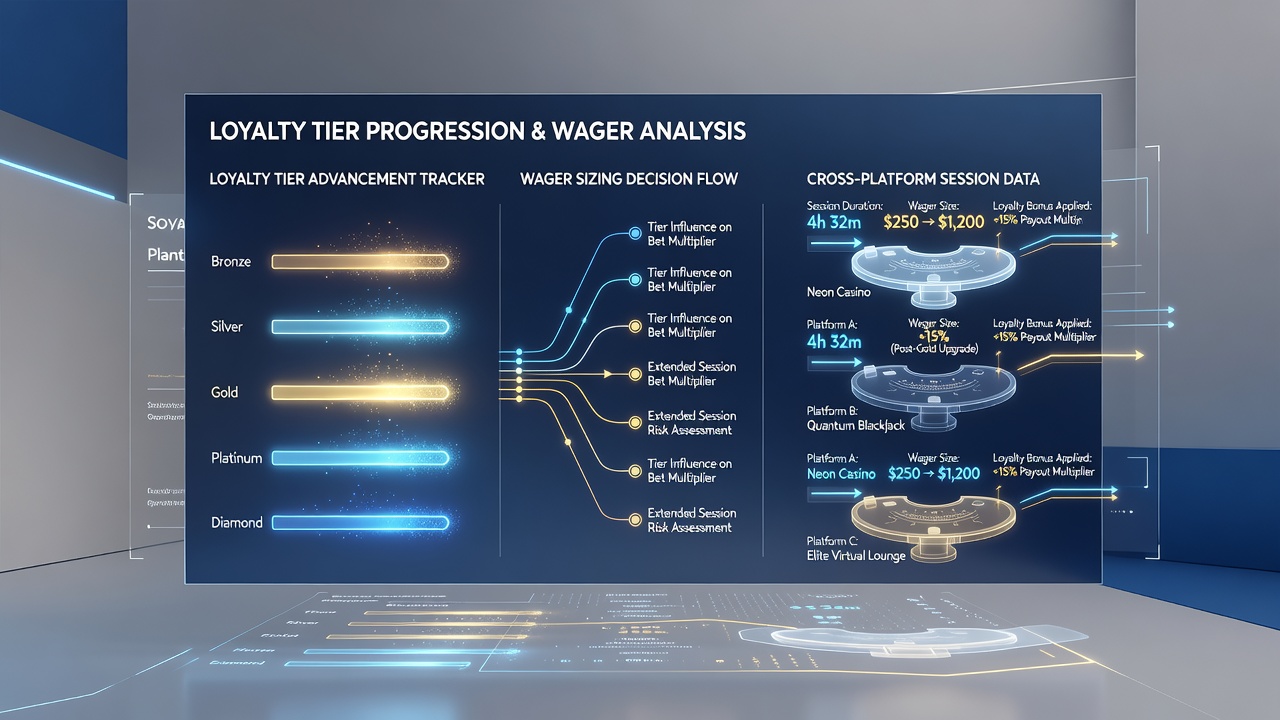
Virtual blackjack platforms track player activity through structured loyalty systems that assign tiers based on accumulated play volume, and these advancements often align with measurable shifts in how participants adjust their wager amounts over long sessions. Data collected across several major online operators in 2026 reveals patterns where players reaching mid-tier status begin increasing average bet sizes by 15 to 25 percent compared with their initial sessions, while top-tier members demonstrate even larger adjustments tied to the specific reward structures each platform provides.
Multiple sites employ point-earning mechanics that reward consistent play, and observers note that once a player crosses into a new tier the available perks frequently include reduced house edges on certain bets or access to higher table limits. These changes coincide with documented increases in wager sizing because participants gain both the financial cushion from bonus credits and the psychological buffer from perceived status benefits.
Tier Structures and Their Direct Effects on Betting Behavior
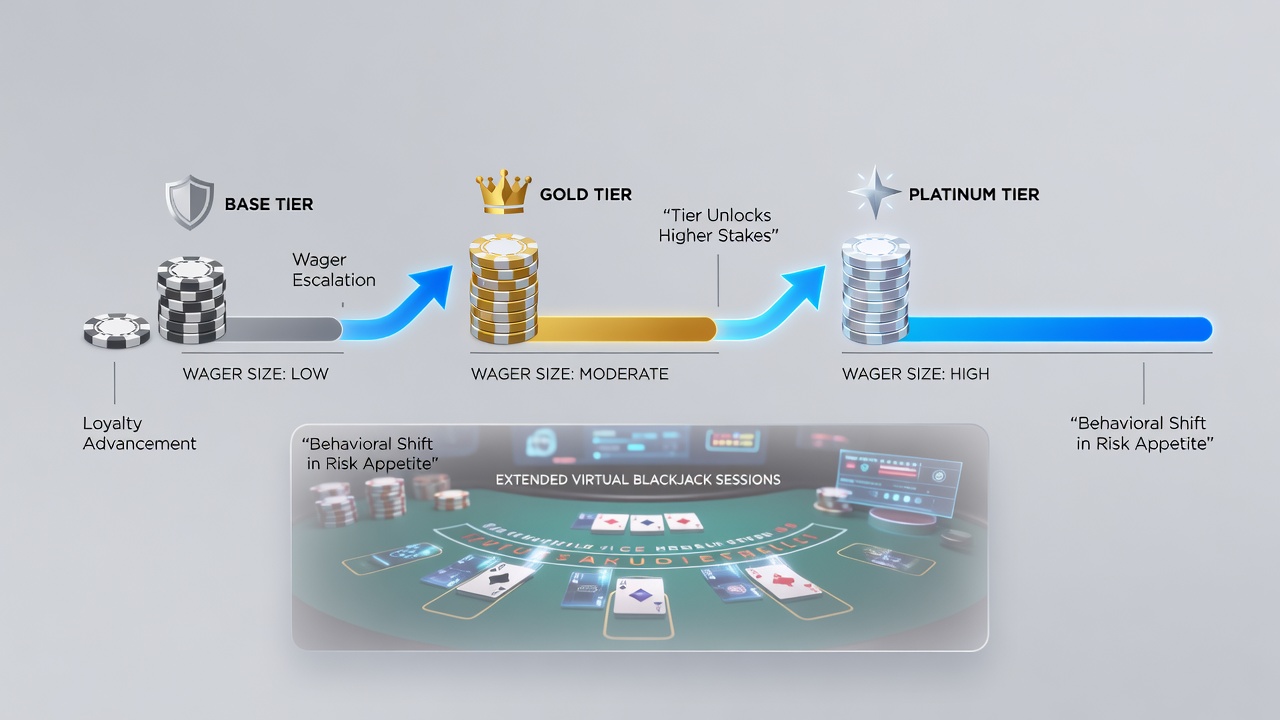
Entry-level tiers typically grant basic cashback percentages along with occasional free bet credits, yet participants at this stage maintain conservative wager patterns that reflect the limited safety net. As individuals progress into intermediate levels, platforms introduce features such as personalized loss limits and accelerated point multipliers, and these elements correlate with gradual expansions in bet sizing during sessions that extend beyond two hours.
Research compiled by the Canadian Gaming Association shows that players who achieve silver or equivalent status across three or more platforms increase their average wager by roughly 18 percent within the first month of tier advancement. The same report highlights that gold and platinum participants further adjust their betting by incorporating larger base wagers and more frequent double-down decisions when the loyalty benefits offset potential variance.
Cross-Platform Comparisons in August 2026
Operators in regulated markets continue to refine their loyalty frameworks, and August 2026 updates on several platforms introduced tier-specific table minimum reductions that directly affect blackjack strategy choices. One European-facing site lowered its high-limit room entry to silver-tier members, resulting in recorded upticks in wager volume among that group during extended evening sessions.
Another operator based in the Asia-Pacific region implemented dynamic loyalty multipliers tied to session length, and data indicates that participants who reached the next tier mid-session subsequently raised their average bet from 25 units to 40 units within the same sitting. These adjustments occur because the new rewards offset the increased exposure while maintaining the session's overall expected value.
Data Patterns Across Extended Sessions
Session-length analysis from multiple platforms demonstrates that players who stay active for four hours or longer exhibit distinct wager trajectories once they hit a new tier threshold. Early in such sessions the bets remain steady, yet after the tier notification appears the average stake climbs steadily as participants test the enhanced reward boundaries.
Figures released by the Interactive Gaming Council in its 2026 quarterly review indicate that loyalty-driven bet increases appear most pronounced on platforms that combine tier status with real-time bonus accrual visible on the game interface. Players reference these accumulating rewards when deciding whether to raise their wager, creating a feedback loop where visible progress encourages continued escalation.
Case examples from one North American operator reveal that a cohort of 2,400 tracked accounts showed a 22 percent rise in median wager size after advancing from bronze to silver status, with the change stabilizing only after participants exhausted the new tier's introductory offers. Similar tracking on an Australian-regulated platform produced comparable results, though the magnitude varied according to each site's specific reward calibration.
Behavioral Indicators and Platform Design Choices
Design teams at several operators embed tier progress meters directly into the blackjack interface, and this visibility correlates with more frequent wager adjustments during prolonged play. When the meter fills and a new tier unlocks, participants often respond by testing higher denominations on the next hand or two, then settle into a revised pattern that reflects the updated benefit structure.
According to a 2025 study published by the University of Nevada's gaming research division, loyalty notifications delivered mid-session produce measurable spikes in bet sizing that persist for an average of 45 minutes before returning to a new baseline. The study examined anonymized data from five major platforms and found the effect consistent across different regulatory jurisdictions.
Platform variations also matter because some systems award tier points exclusively on blackjack while others apply them across all games. Sites that concentrate rewards on table games see stronger wager adjustments within blackjack sessions, whereas broader systems dilute the effect as players spread activity across multiple titles.
Conclusion
Loyalty tier advancements continue to shape wager sizing decisions in virtual blackjack environments through a combination of tangible rewards and interface cues that reinforce progression. Data gathered across diverse platforms in 2026 confirms that players respond to these advancements with systematic increases in average bet amounts, particularly during sessions that extend beyond two hours. The patterns hold across different regulatory regions and operator models, underscoring the measurable influence of tier structures on betting behavior in extended play.