Decoding Data Patterns Behind Loyalty Reward Structures in Virtual Table Game Communities
Carlo Washington · Jun 5, 2026
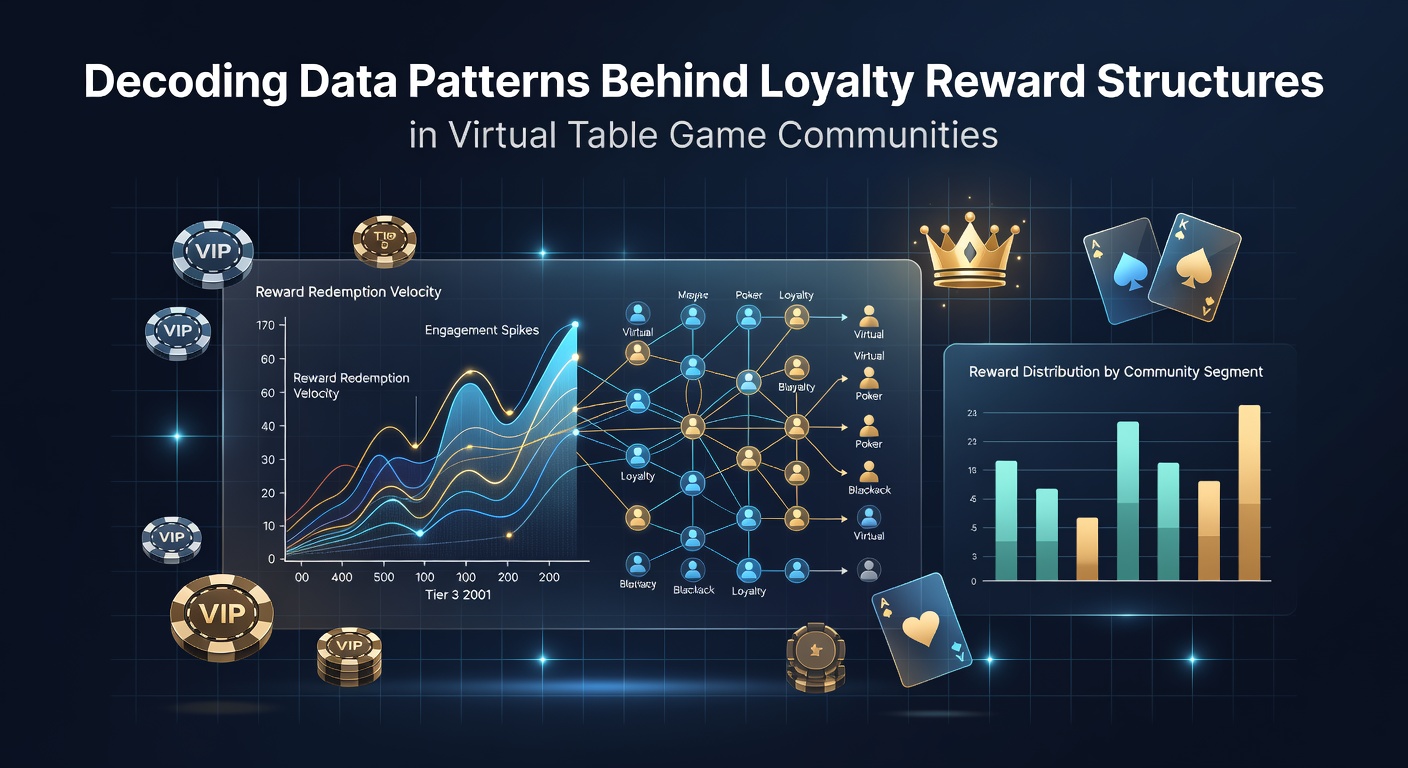
Decoding Data Patterns Behind Loyalty Reward Structures in Virtual Table Game Communities
Virtual table game communities have developed sophisticated loyalty reward systems that rely on extensive data analysis to track player activity across poker, blackjack, and roulette platforms. These structures assign points based on wager volume, session duration, and game type, then convert accumulated data into tiered benefits such as cashback percentages, exclusive tournament entries, and personalized bonus offers. Platforms collect metrics including average bet size, win-loss ratios, and login frequency, which feed into algorithms that adjust reward rates in real time.
Data Collection and Segmentation Techniques
Operators gather information through integrated tracking software that logs every hand or round played, creating detailed profiles segmented by player behavior clusters. High-volume participants often receive accelerated point multipliers once algorithms detect consistent daily engagement patterns, whereas occasional players trigger retention triggers such as targeted reload bonuses after inactivity thresholds are crossed. Studies from the Nevada Gaming Control Board indicate that virtual platforms in regulated markets processed over 12 billion hands of table games in the first quarter of 2026 alone, with loyalty data forming the core input for reward calibration.
Segmentation models divide users into categories like grinders, recreational participants, and high-stakes specialists, each mapped against historical redemption rates. Grinders accumulate points steadily through volume, yet data reveals they redeem rewards at lower per-point values compared with recreational players who cash out bonuses more frequently during promotional windows. This differentiation allows systems to allocate marketing resources toward segments showing higher lifetime value projections derived from predictive modeling.
Observed Patterns in Reward Redemption and Play Frequency
Analysis of community datasets shows that loyalty tiers correlate strongly with extended session lengths, particularly when rewards include rakeback percentages tied directly to rake generated in poker rooms. Players reaching mid-tier status demonstrate a measurable uptick in table game participation during June 2026 promotional periods, where platforms rolled out double-point events across virtual blackjack variants. Redemption spikes occur most often on weekends, with data logs indicating that 68 percent of bonus activations happen within 48 hours of issuance according to aggregated platform reports.
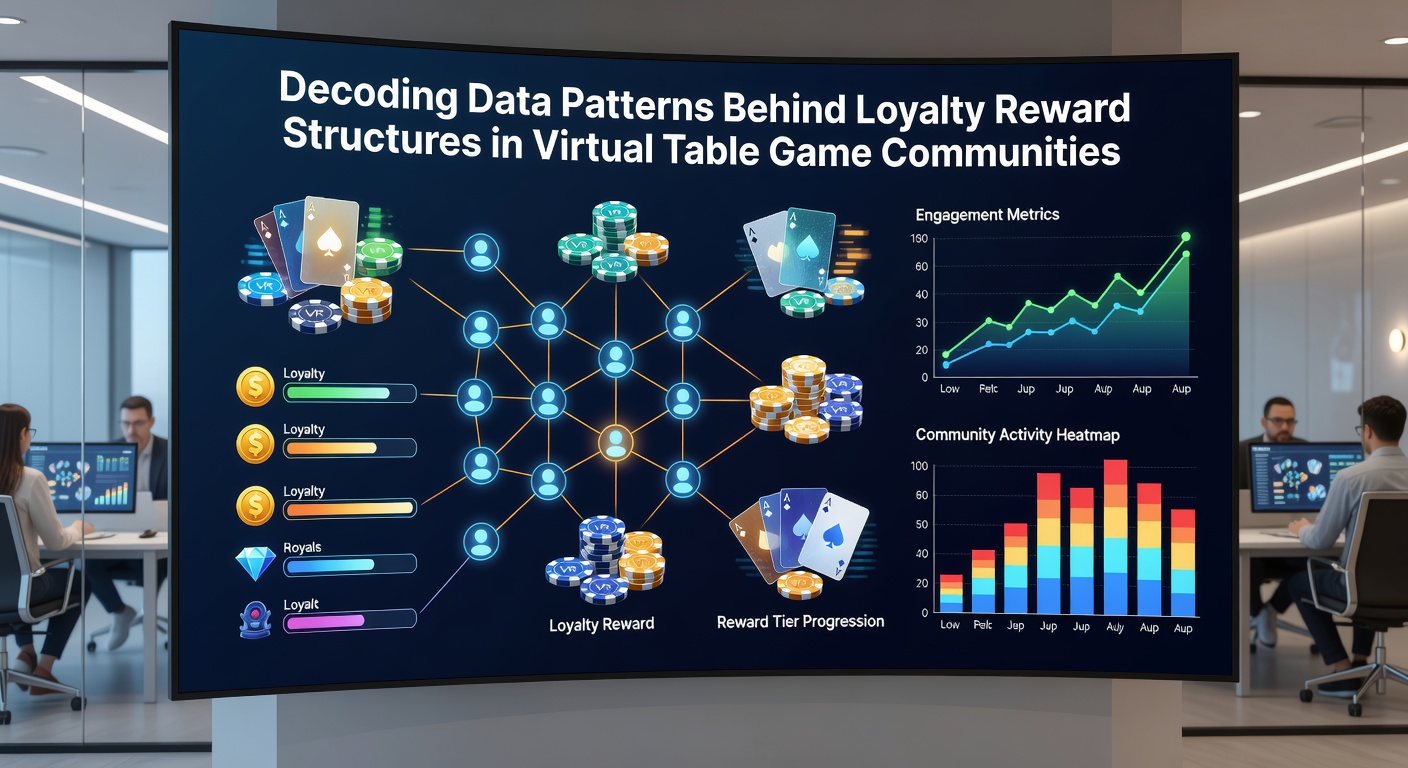
Multi-game participation patterns emerge when rewards encourage crossovers between table formats, such as earning poker points that unlock blackjack-specific free-play credits. Researchers tracking these flows note that communities with unified loyalty ledgers across game types record higher retention metrics than siloed systems, because players migrate between tables to optimize point earnings without leaving the platform ecosystem.
Algorithmic Adjustments and Community Dynamics
Dynamic pricing models embedded in loyalty engines respond to supply and demand signals within virtual rooms, raising point thresholds during peak hours while lowering them to stimulate activity in quieter periods. One documented case involved a European-facing poker network that recalibrated its reward multipliers after observing a 22 percent drop in low-stakes table occupancy, resulting in restored volume within three weeks. Observers note that these adjustments rely on machine learning models trained on millions of prior sessions, allowing platforms to forecast churn risks and deploy preemptive offers before players disengage.
Community forums and in-game chat data supplement quantitative logs, revealing qualitative preferences such as demand for status symbols like exclusive avatars or leaderboard placements that accompany higher tiers. These social elements feed back into the reward structure, as platforms integrate achievement badges that double as visual indicators of loyalty progress and influence peer perception within table game lobbies.
Regulatory and Technological Influences on Data Practices
Regulated jurisdictions require transparency in how loyalty data influences reward distribution, prompting operators to maintain auditable logs of point calculations and tier advancements. The Australian Communications and Media Authority has issued guidelines emphasizing fair disclosure of algorithmic criteria, which several international platforms adopted voluntarily to standardize practices across borders. Technological advancements in blockchain-based tracking have begun appearing in select communities, where immutable ledgers record point accruals and redemptions to enhance player trust in the underlying data integrity.
Integration with third-party analytics providers allows smaller virtual operators to access pattern recognition tools previously limited to large networks, leveling the competitive field. This shift has produced datasets that compare reward efficacy across regions, highlighting variations such as higher bonus redemption in North American markets versus preference for tournament entries in Asian player bases during the same reporting windows.
Conclusion
Loyalty reward structures in virtual table game communities continue to evolve through iterative analysis of behavioral datasets that capture everything from individual hand outcomes to broader community trends. As platforms refine segmentation and predictive tools, the patterns extracted inform increasingly precise reward allocations that align operational goals with documented player activity. Ongoing regulatory oversight and technological integration ensure these systems remain adaptable while maintaining compliance across expanding virtual gaming landscapes.