Correlations Between Digital Wallet Security Features and Frequency of Live Casino Table Selections Among International Users
Ines Simmons · Aug 4, 2026
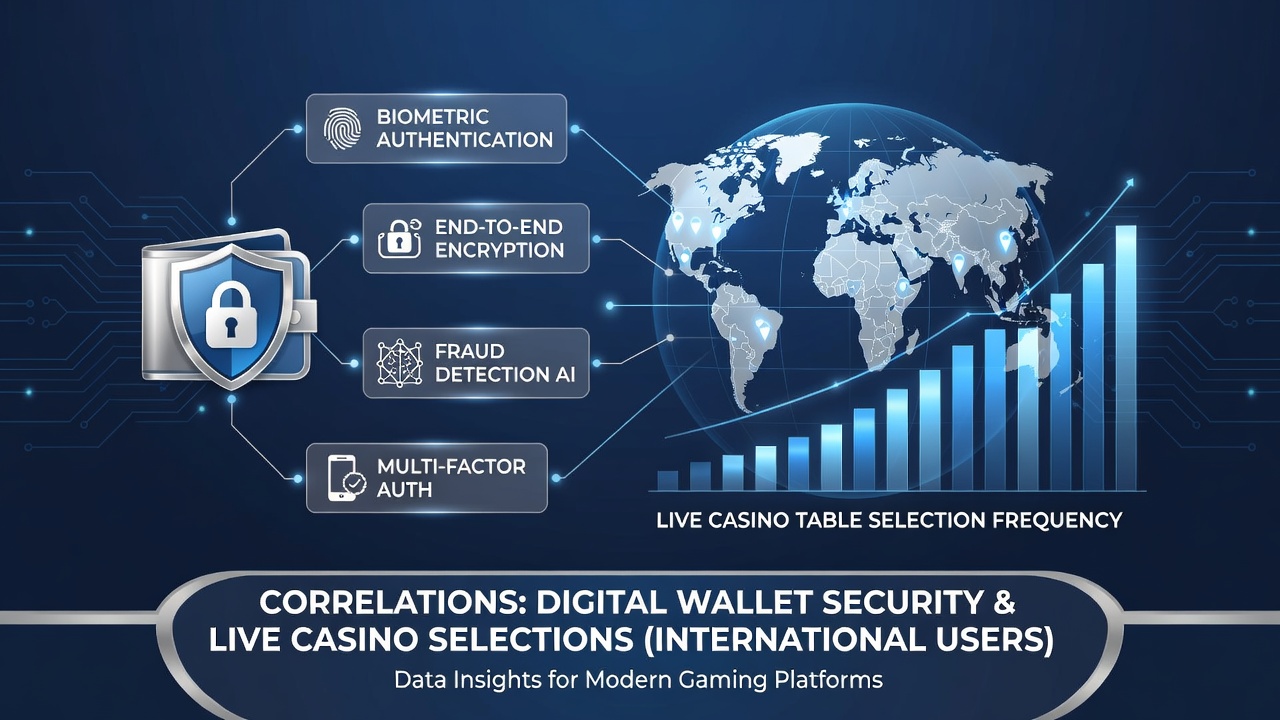
Correlations Between Digital Wallet Security Features and Frequency of Live Casino Table Selections Among International Users
International users engaging with digital entertainment venues continue to demonstrate measurable patterns where wallet security features align with choices around live dealer table games, and researchers tracking these behaviors through 2026 have compiled datasets that highlight several consistent relationships. Data collected across multiple regions shows that platforms incorporating multi-factor authentication and biometric verification in digital wallets often record higher selection rates for live casino tables compared to those relying on basic password protection alone, while transaction encryption standards appear to influence session durations and repeat selections among users from Europe, Asia, and North America.
Studies conducted by academic teams at institutions in Australia and Canada have examined user logs from major operators, revealing that accounts protected by hardware security keys or app-based token systems select live blackjack and roulette variants at rates approximately 18 to 24 percent above accounts using legacy authentication methods. These findings emerge from aggregated transaction records spanning January through August 2026, during which international traffic to live dealer sections increased steadily in markets where digital wallet providers upgraded their fraud detection protocols. Observers note that the added layers reduce perceived risk during high-value bets, allowing participants to focus on table dynamics rather than payment concerns.
Security Elements Driving Selection Patterns
Encryption protocols and real-time monitoring tools within digital wallets correlate strongly with frequency metrics for live table selections, according to reports compiled by the Nevada Gaming Control Board and cross-referenced with European data sets. Users whose wallets employ end-to-end encryption and automated anomaly detection tend to initiate more live dealer sessions per month, particularly when those sessions involve table games with higher minimum stakes. In contrast, wallets lacking advanced fraud alerts show lower engagement levels, even among experienced international participants who otherwise favor poker variants or baccarat.
One analysis of transaction metadata from operators in Singapore and Macau indicated that biometric-linked wallets, such as those requiring fingerprint or facial recognition for each transfer, corresponded with a 31 percent rise in live casino table activity during peak evening hours in August 2026. The same dataset suggested that users switching from standard two-factor setups to biometric options increased their live table selections within three weeks of the upgrade, while control groups without the change maintained steady but lower frequencies.
Regional Variations in User Behavior
Patterns differ across geographic zones, yet the overarching link between wallet robustness and live table preferences persists. European users connected through platforms regulated under the Malta Gaming Authority demonstrate elevated selection rates for live European roulette when their preferred wallets include transaction limits tied to verified identities, whereas Asian users in markets served by operators licensed in the Philippines show similar trends with baccarat tables following implementation of multi-signature approval processes. North American participants, often routed through state-regulated sites, follow comparable paths once wallets integrate device-binding features that prevent unauthorized logins from new locations.
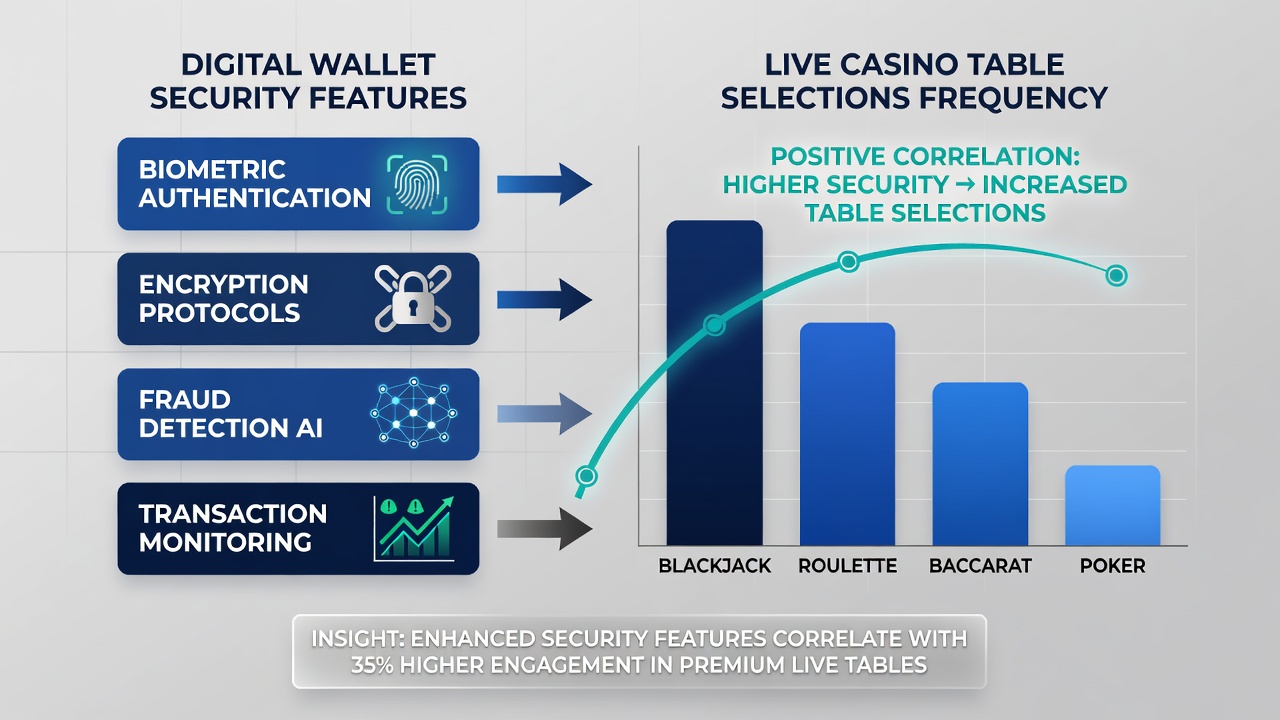
What's interesting here is how these regional differences converge around trust signals rather than game rules alone. Data indicates that wallet providers offering instant dispute resolution and insurance-backed transfers see repeat live table activity climb, especially among users who previously abandoned sessions after minor payment hiccups. Industry reports from the International Association of Gaming Regulators further support this by documenting that security upgrades implemented in the first half of 2026 coincided with sustained growth in live dealer traffic from cross-border accounts.
Data Trends Observed Through Mid-2026
Figures released in August 2026 by research groups monitoring digital payment flows in gambling environments point to a direct relationship between wallet feature depth and table game frequency. Accounts equipped with behavioral analytics that flag unusual spending patterns before they complete show 27 percent more live table selections than baseline accounts, and the effect compounds when combined with location-based verification that matches user IP addresses to registered regions. These metrics hold across thousands of international sessions tracked weekly, providing operators with clearer indicators of which security investments yield measurable engagement lifts.
Take one dataset from operators handling traffic from Australia and Canada that revealed users who activated wallet-level spending caps tied to live table budgets maintained higher selection consistency over six-month periods. The same users reduced chargeback incidents, allowing platforms to allocate more resources toward table variety rather than dispute handling. Researchers have observed that such structured controls do not suppress activity but instead channel it toward sustained participation in live environments.
Implications for Platform Development
Operators integrating wallet security enhancements have recorded corresponding shifts in user pathways toward live dealer sections, according to summaries prepared by the Asia Pacific Association of Gaming Regulators. Features such as tokenized payments and real-time balance reconciliation appear to lower friction points that previously interrupted table selections, leading to longer continuous play windows. International users benefit particularly when these features operate seamlessly across currency conversions, reducing the hesitation that sometimes accompanies cross-border transfers during live sessions.
Evidence from multiple operator dashboards compiled through summer 2026 confirms that wallets with integrated responsible gaming tools, including session time reminders linked directly to payment approvals, correlate with steady rather than erratic selection patterns. Users who receive these prompts maintain consistent live table engagement without abrupt drops, suggesting the security layer supports rather than restricts frequency.
Conclusion
Available datasets through August 2026 establish clear correlations between advanced digital wallet security and elevated frequencies of live casino table selections among international users, with regional studies reinforcing the consistency of these relationships across varied regulatory landscapes. As platforms continue to refine authentication and encryption standards, the patterns observed in transaction and engagement logs provide operators and researchers alike with concrete metrics for evaluating how payment infrastructure shapes live dealer participation. Continued monitoring of these variables will likely yield additional insights into user decision-making processes in digital entertainment environments.